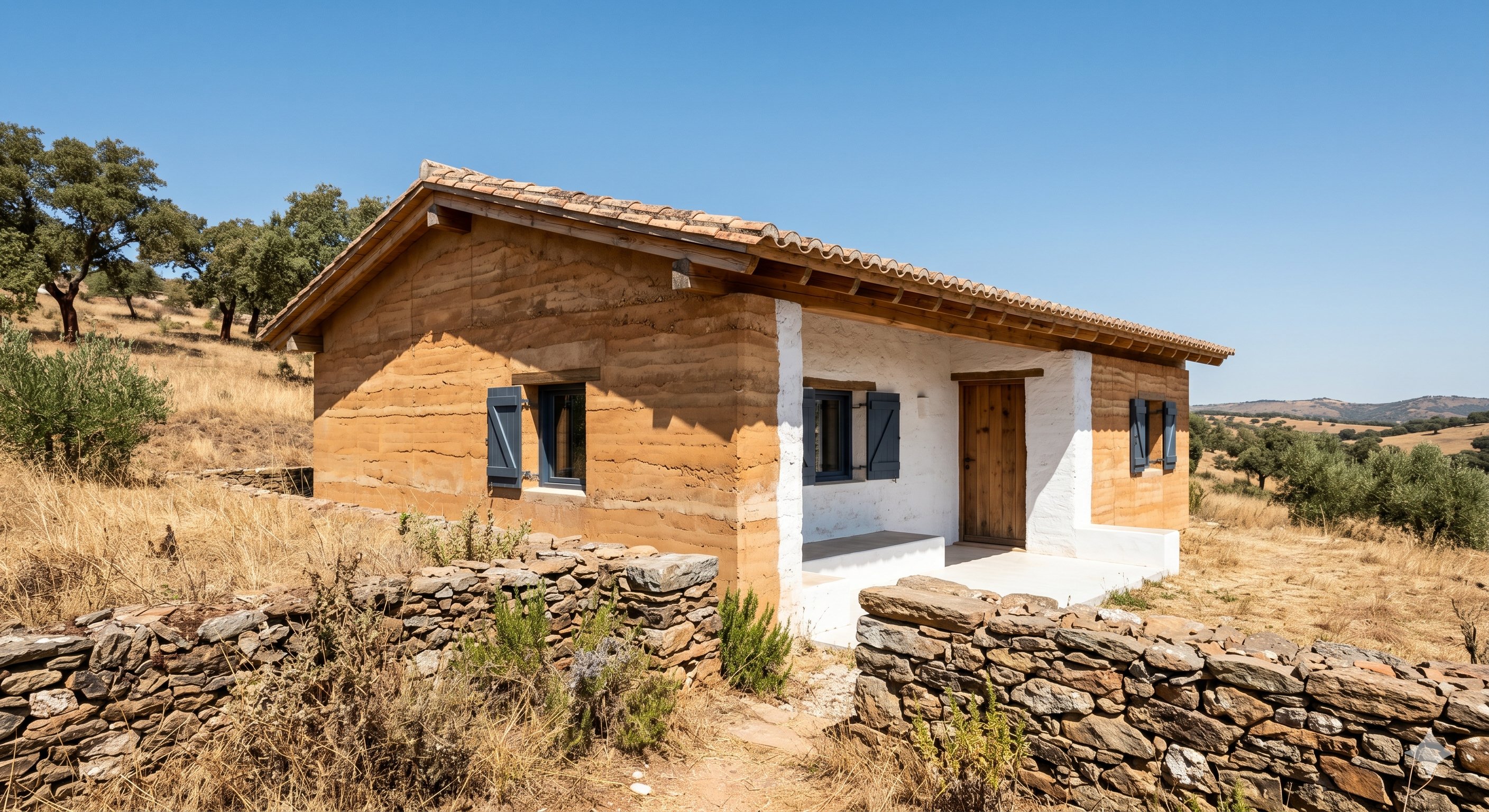
Houses of timber, clay, lime and stone. In places where it is quiet. We build them, we keep them, and you can live in them.
Most modern houses are machines. Reinforced concrete, vapour barrier, ventilation unit, plastic in the wall. They only work as long as the technology runs, and they feel like exactly what they are.
Terra Privée is the counter-programme. Not out of ideology, but out of building physics. Solid timber that carries and insulates. Clay that keeps the air in balance. Lime that allows no mould of its own accord. Stone that swallows the midday heat and gives it back only at night. Four materials that have worked for millennia and are at home in every climate we build in.
We build the houses, we keep them, and we let them. For a week, a month, a whole winter. You buy nothing, manage nothing, look after nothing — you arrive, the door is open, the garden bears, and someone on site takes care of things while you are away.
At most ten houses per place. No more, never more. Anything beyond that is a development. We build a place.
Alles lokal beschafft, alles diffusionsoffen, alles reparierbar. Keine Herstellerbindung, kein Systemaufbau, den in zwanzig Jahren niemand mehr instand setzen kann.
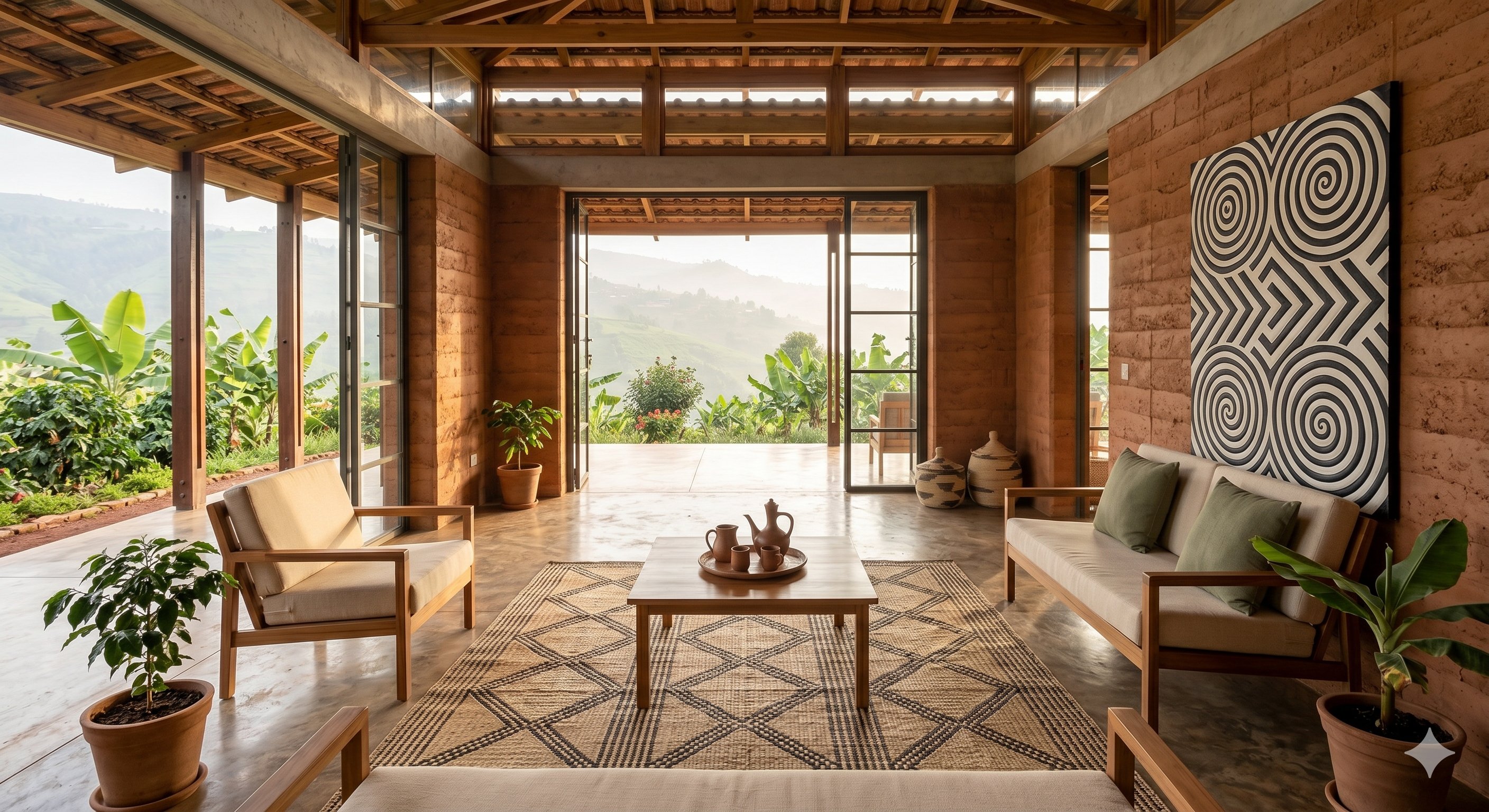
A solid timber wall needs no three layers to do what otherwise takes three. It is vapour-open, smells of wood rather than glue, and in fifty years you can still work it with a chisel. Timber from the region, left visible.
Clay plaster is the best moisture buffer among the common interior plasters. It takes up water vapour when there is much of it in the air, and gives it back when things turn dry. That is why the air in a clay house tastes different from that in a rendered new build.
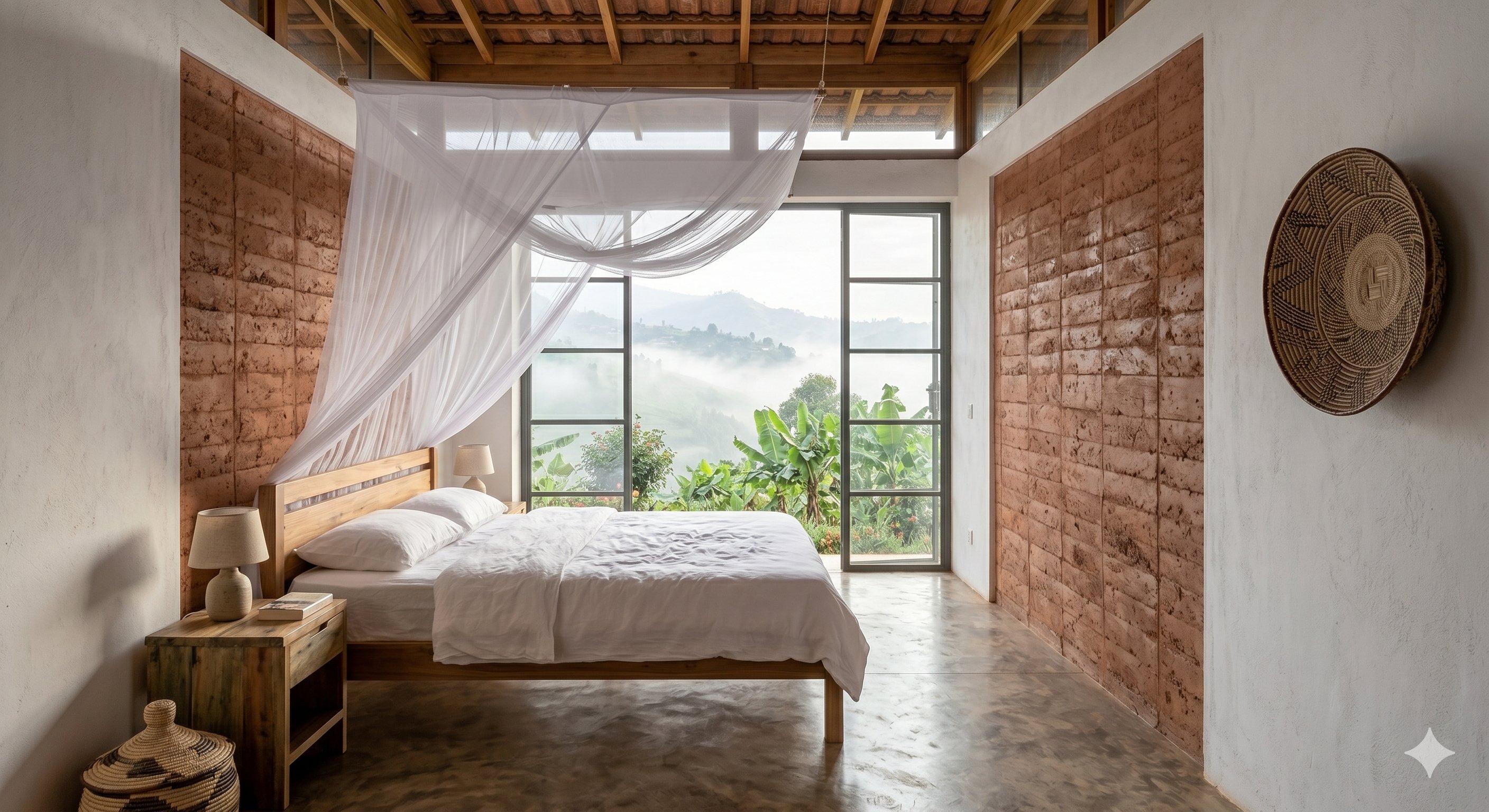
Fresh lime putty is strongly alkaline and therefore allows no mould of its own accord — no fungicide in the coating needed. It stays vapour-permeable, works with the wall rather than against it, and you patch it rather than replace it.
Heavy building elements take half a day before the midday heat reaches the inside. By then it has long cooled outside, and you air it back out. In warm climates this replaces the air conditioning — and with it the noise and the electricity bill.
Chosen for climate, water, local materials and whether life there is good. Each place gets the same principle and a different answer to it — built with what grows and lies in the surroundings.

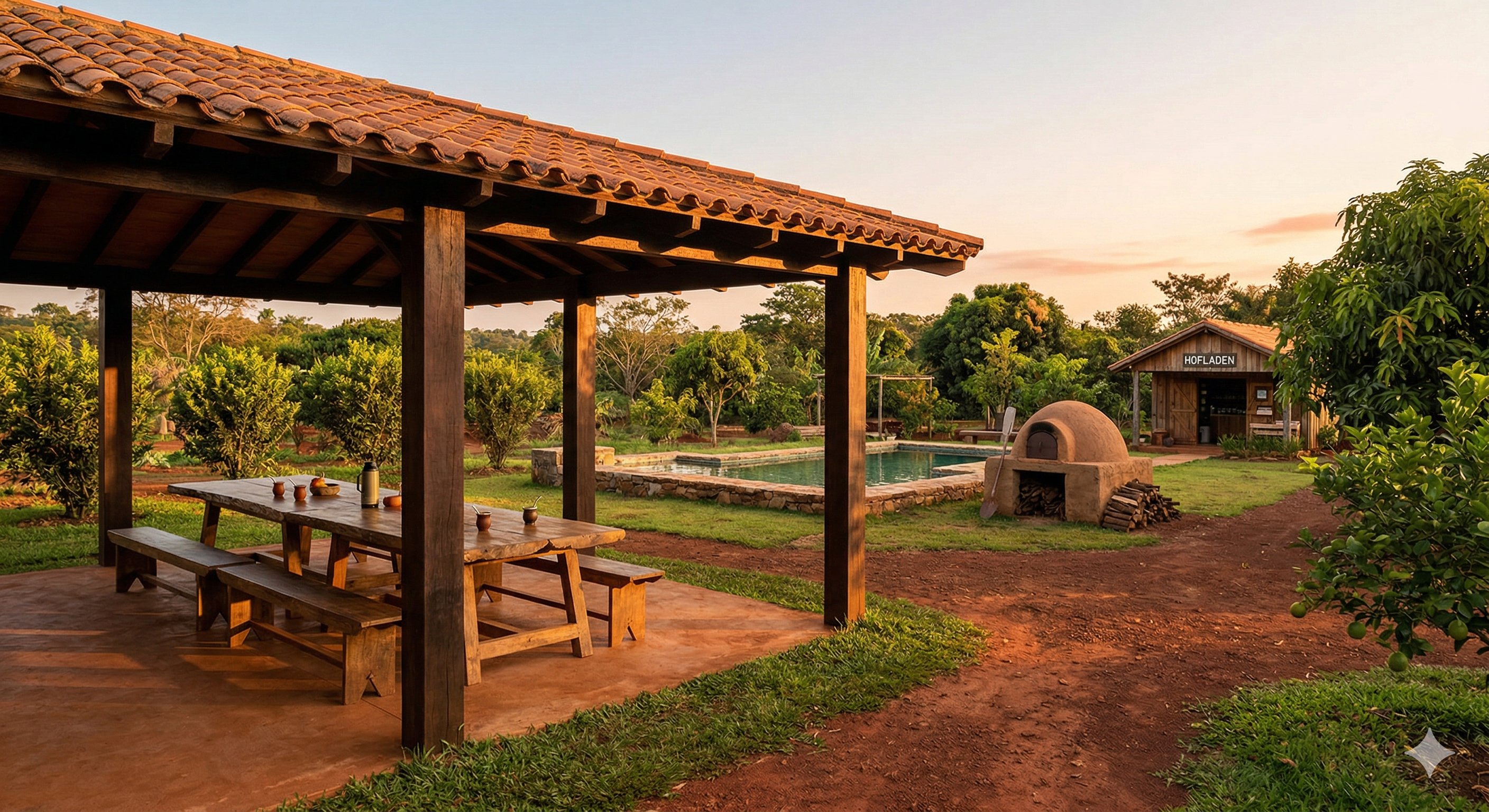
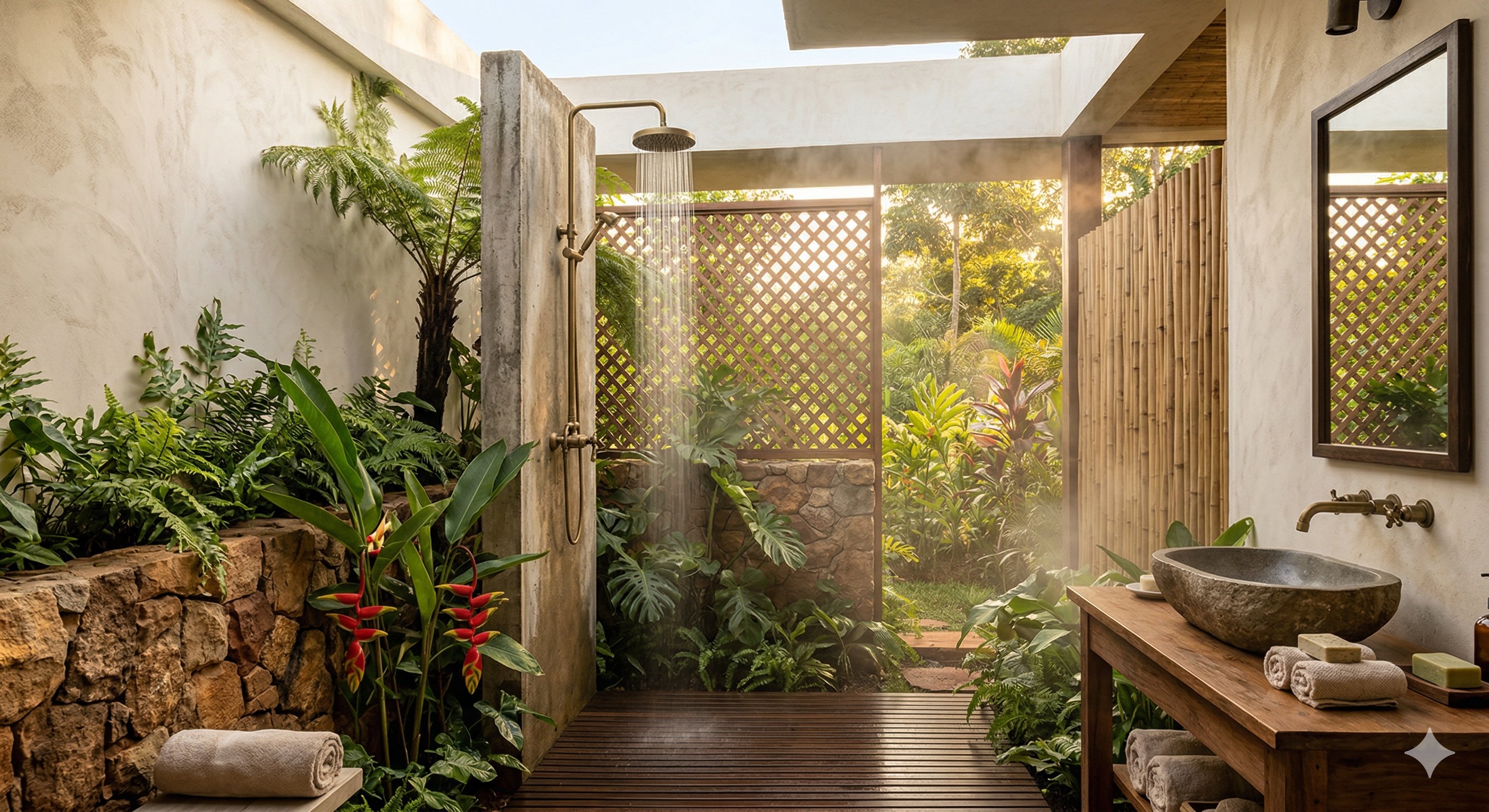
Red earth, tall trees, water from the Guaraní aquifer. Warm winters, lush summers, sparsely settled land with very low living costs. Craft in timber and clay never broke off here — it is built the way it has been built for a hundred years.
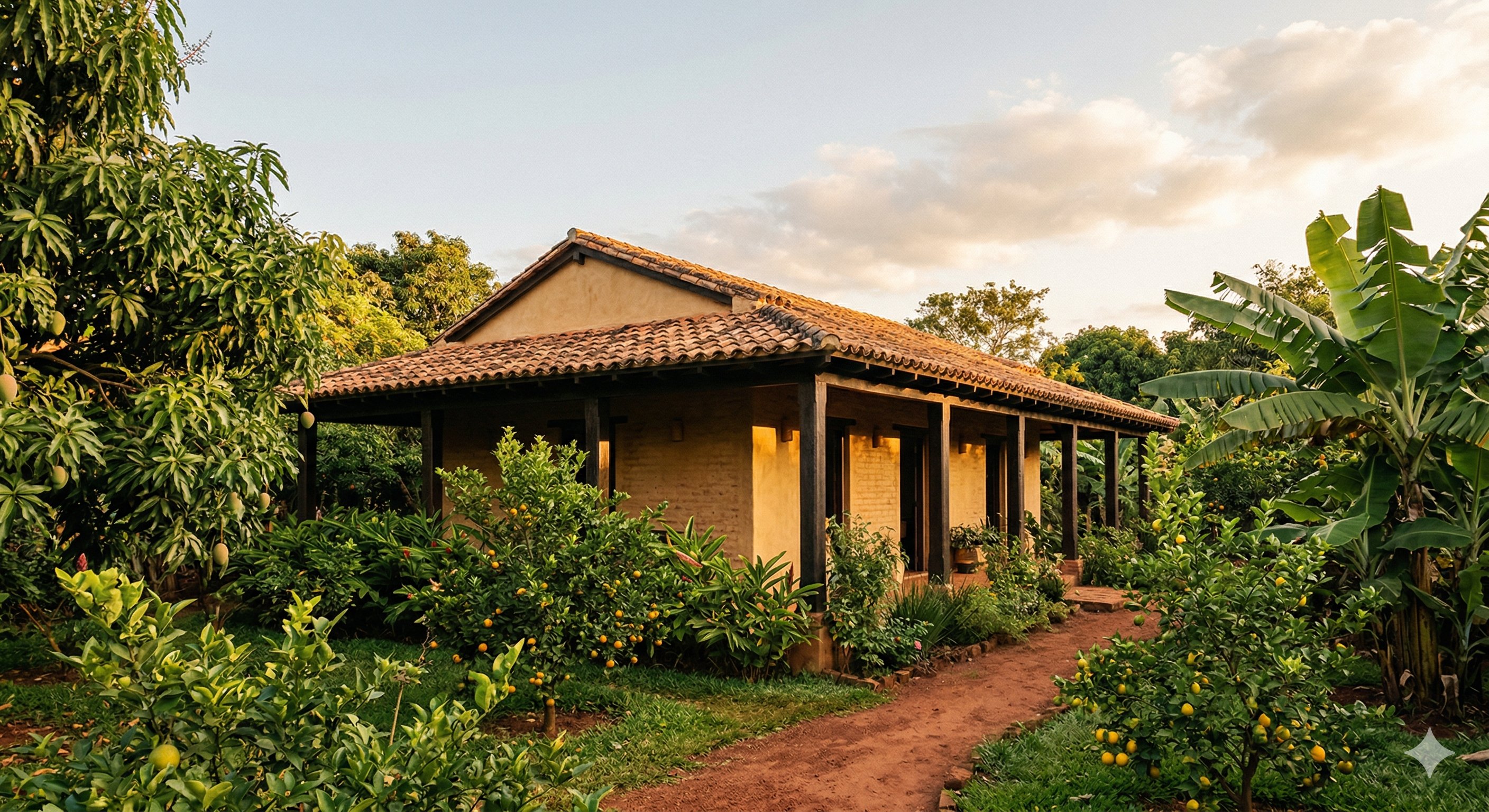
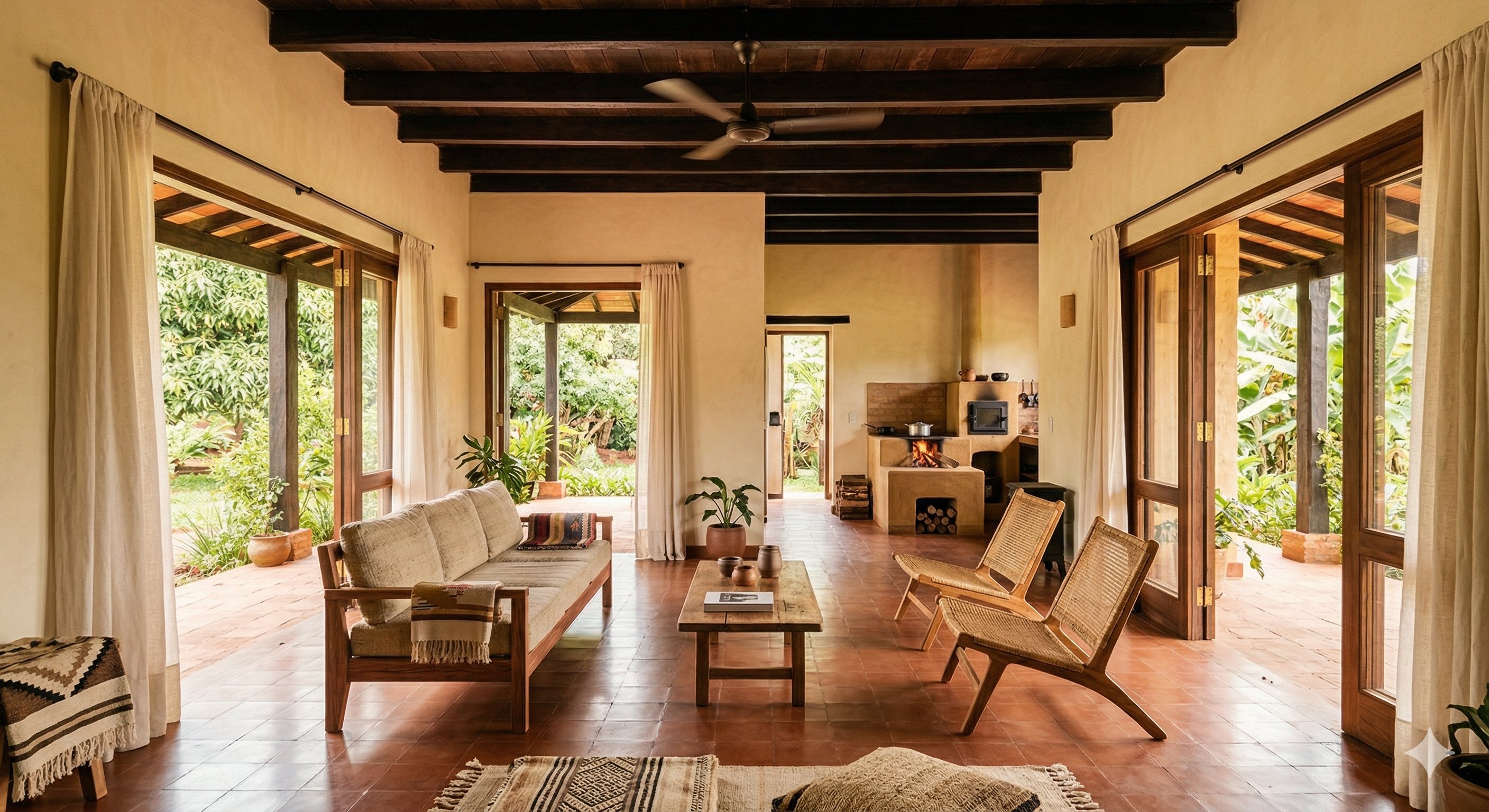
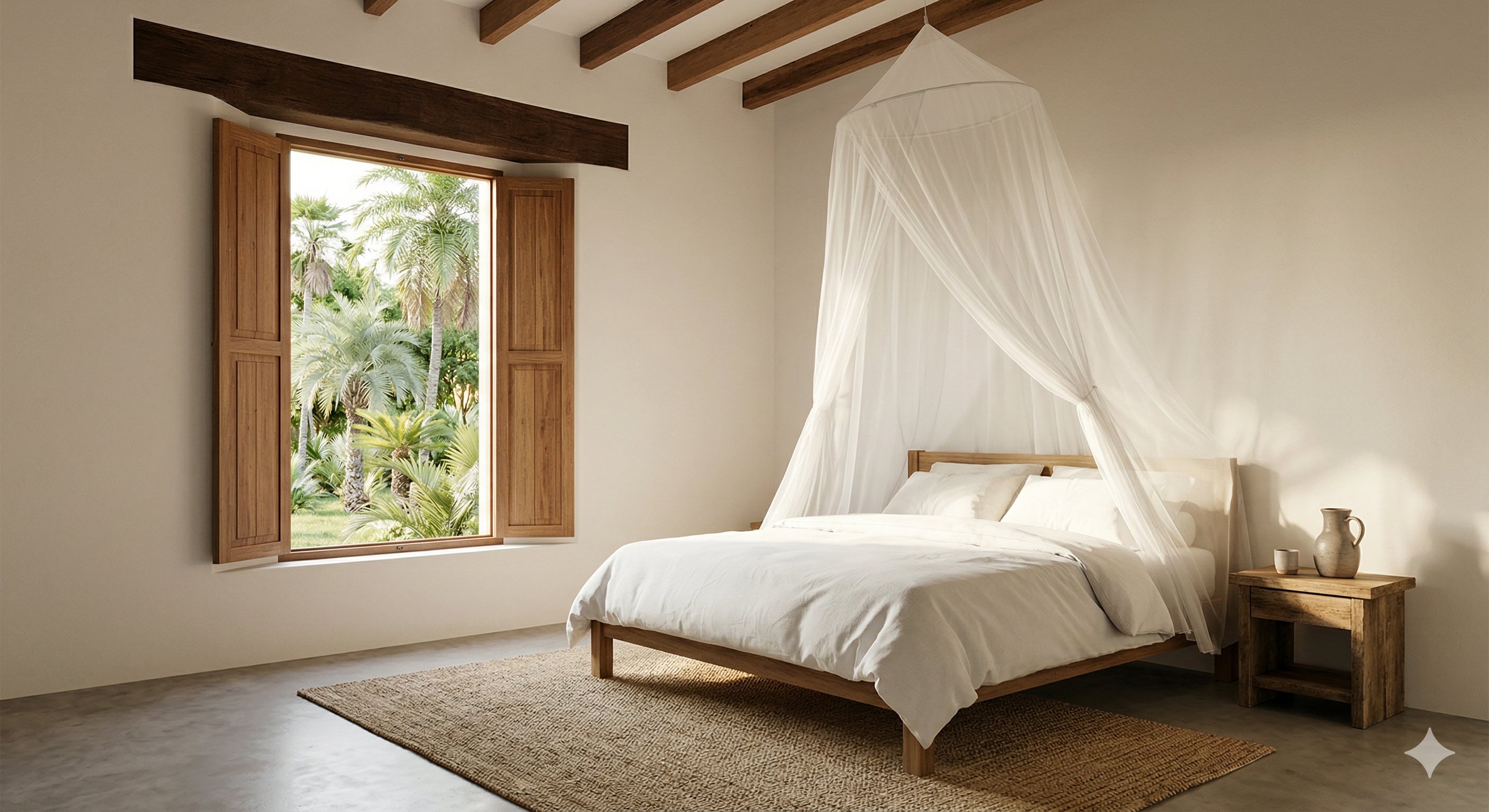

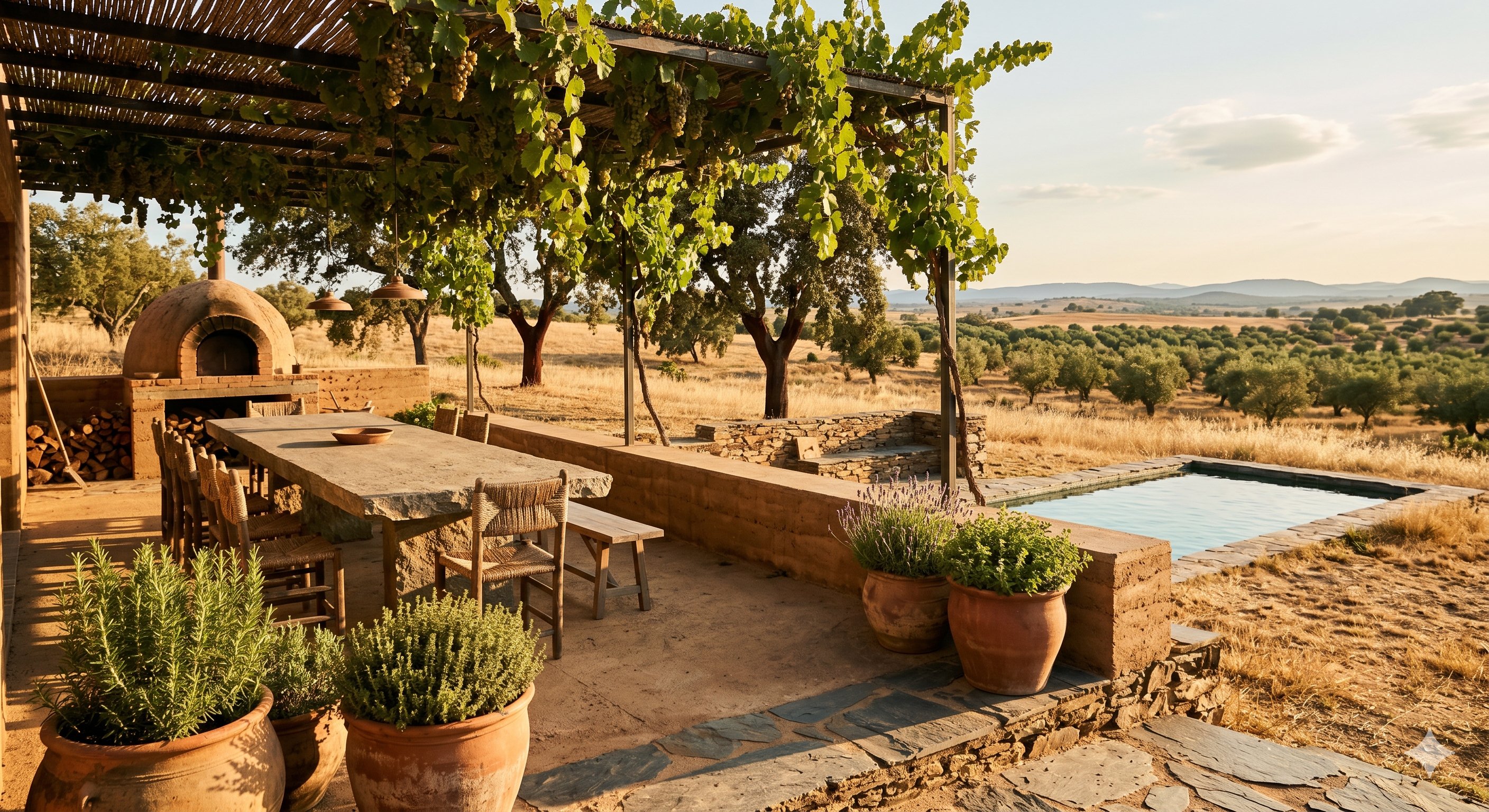
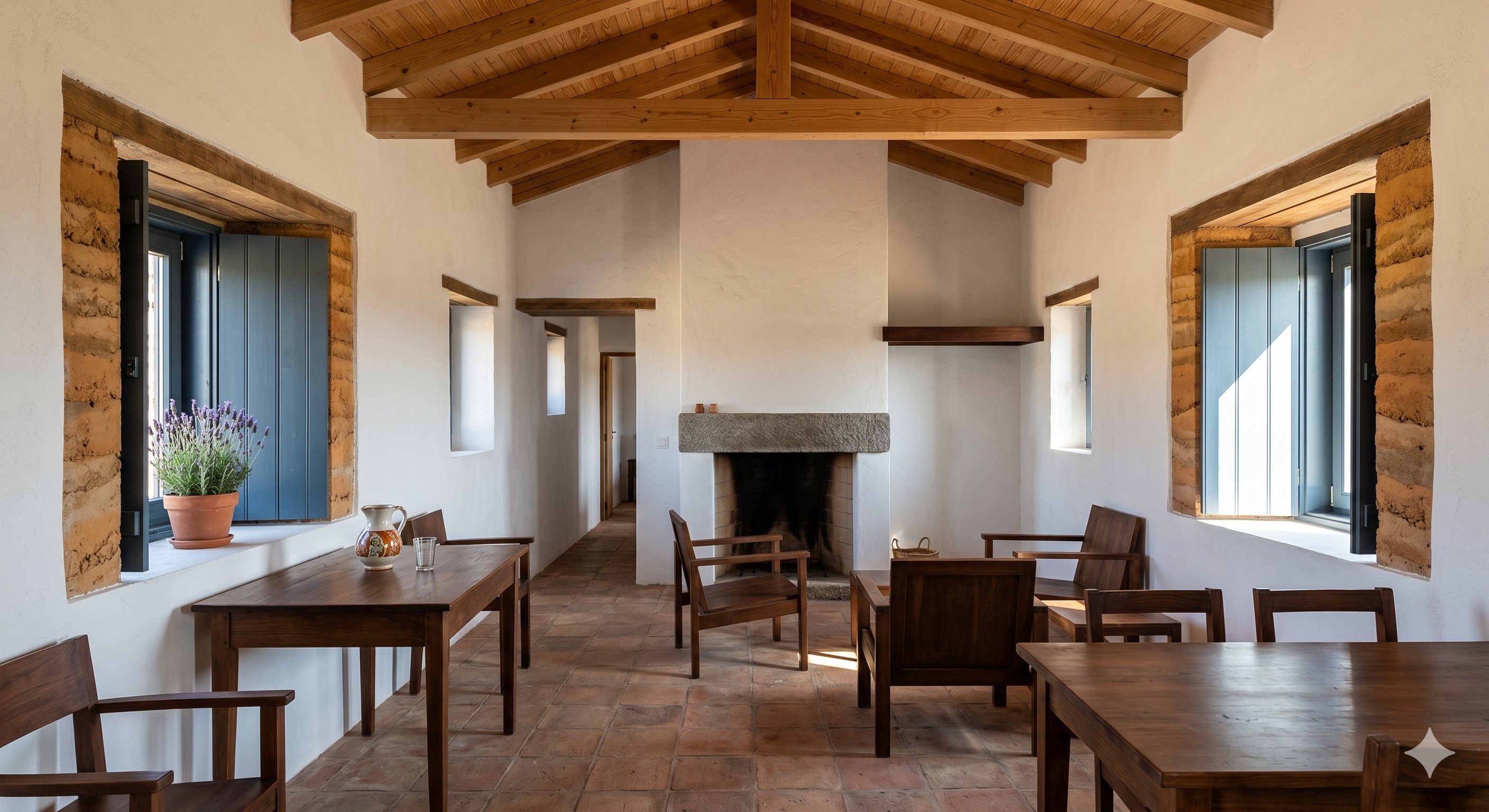
Openness, cork oaks, light that wanders all day long. The Alentejo has the longest unbroken rammed-earth tradition in Europe, and it is coming alive again. Two hours to Lisbon, two hours to the sea — and in between little happens, which is exactly the point.
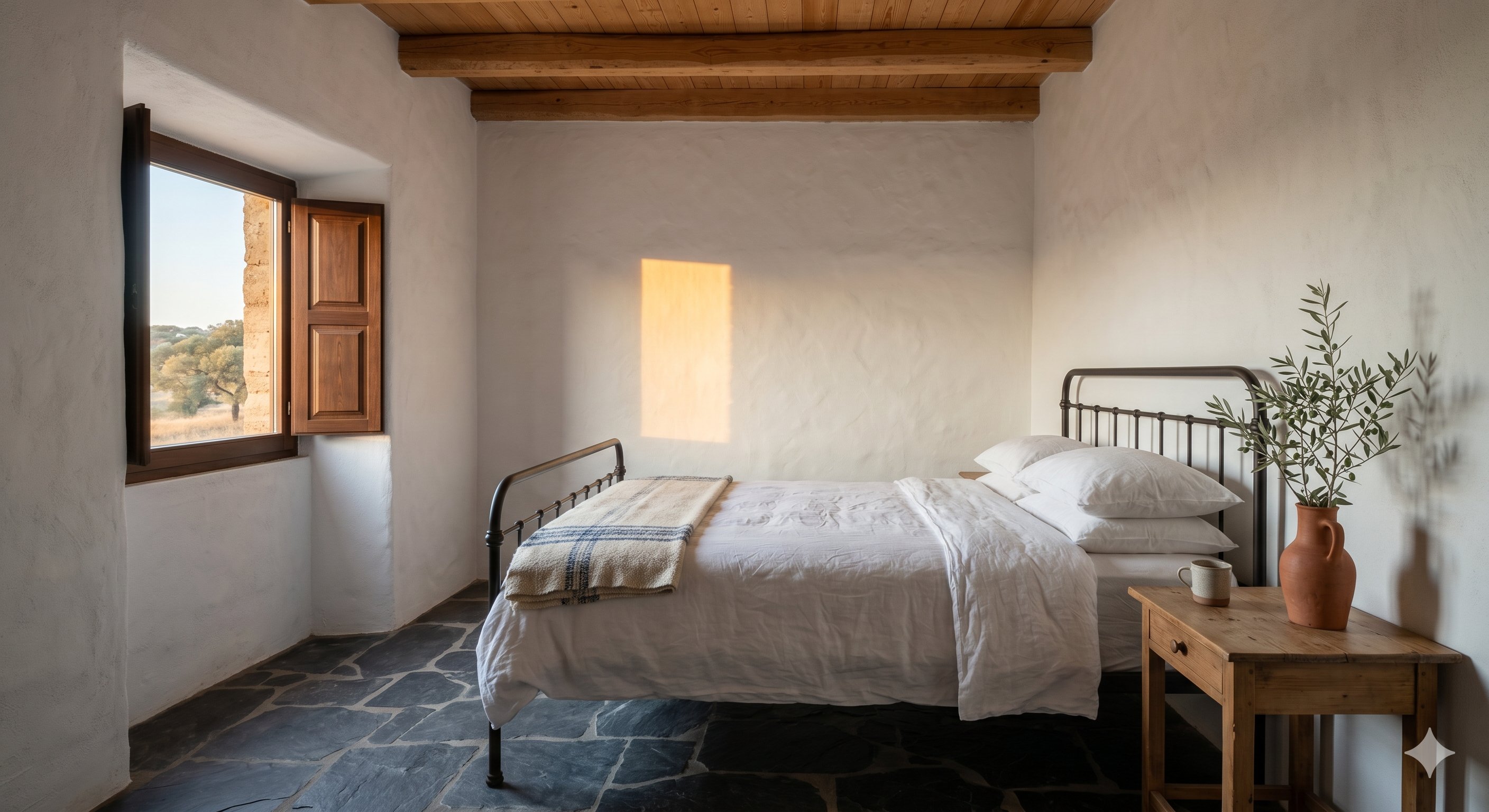
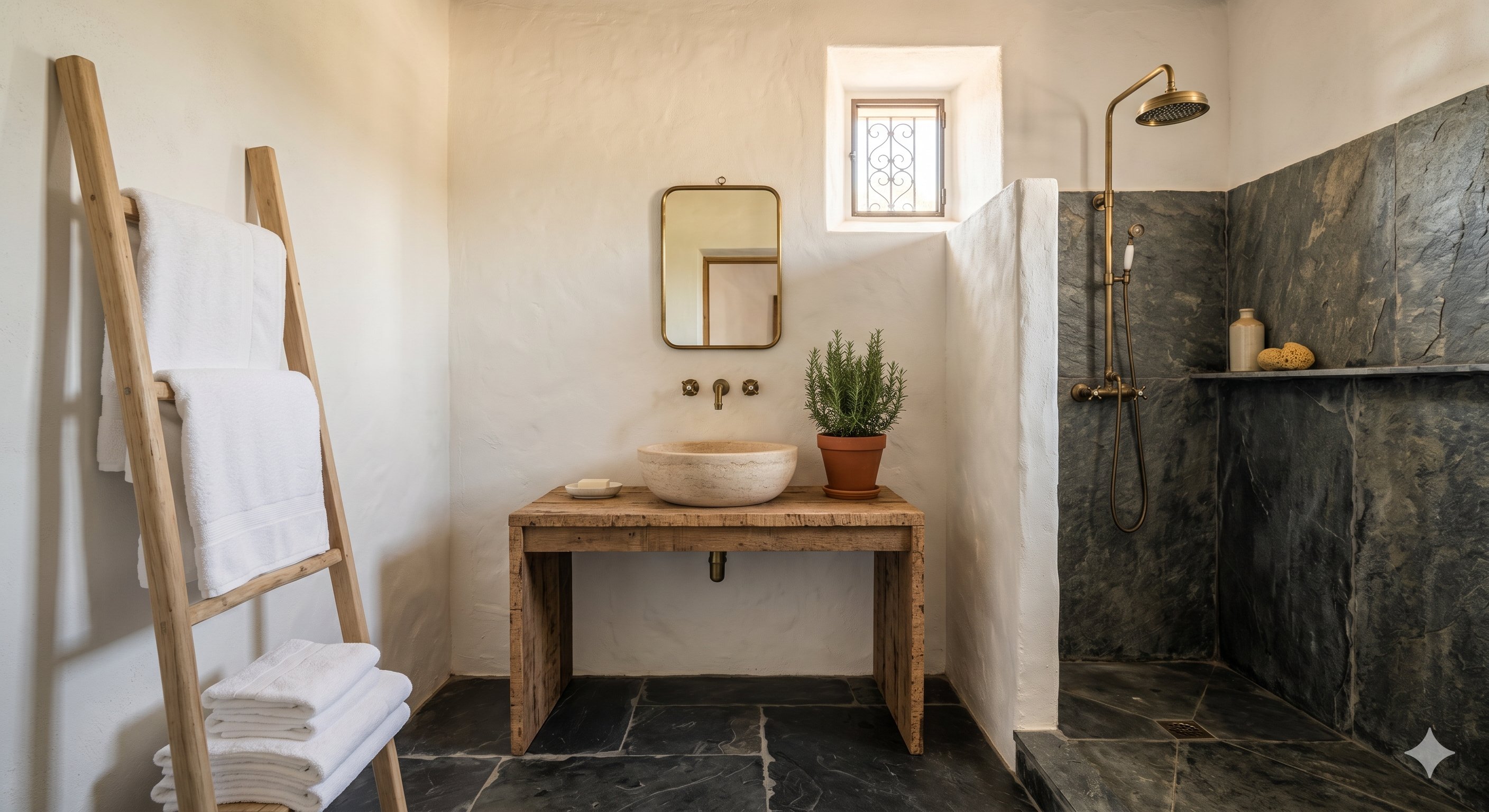

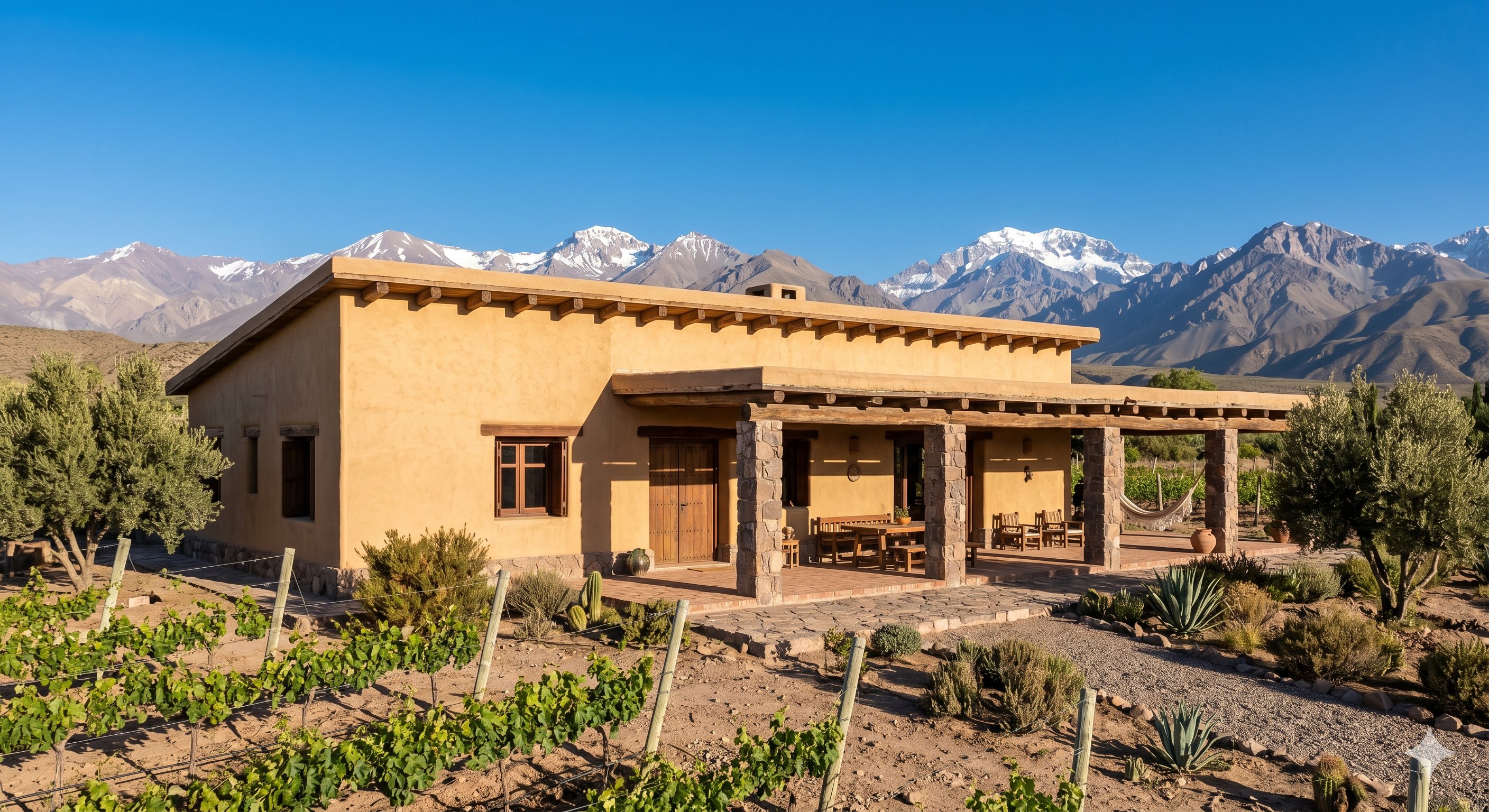
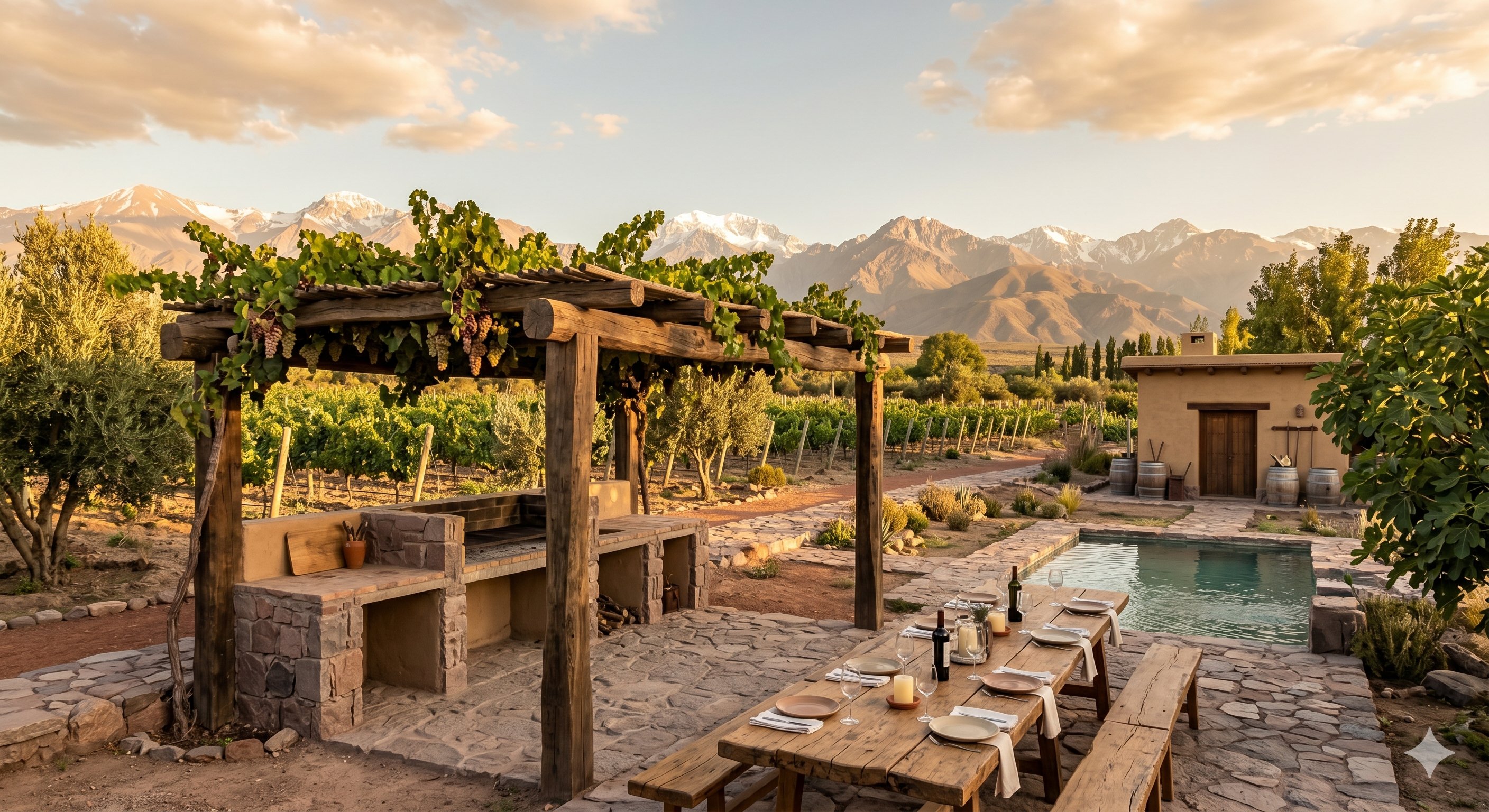
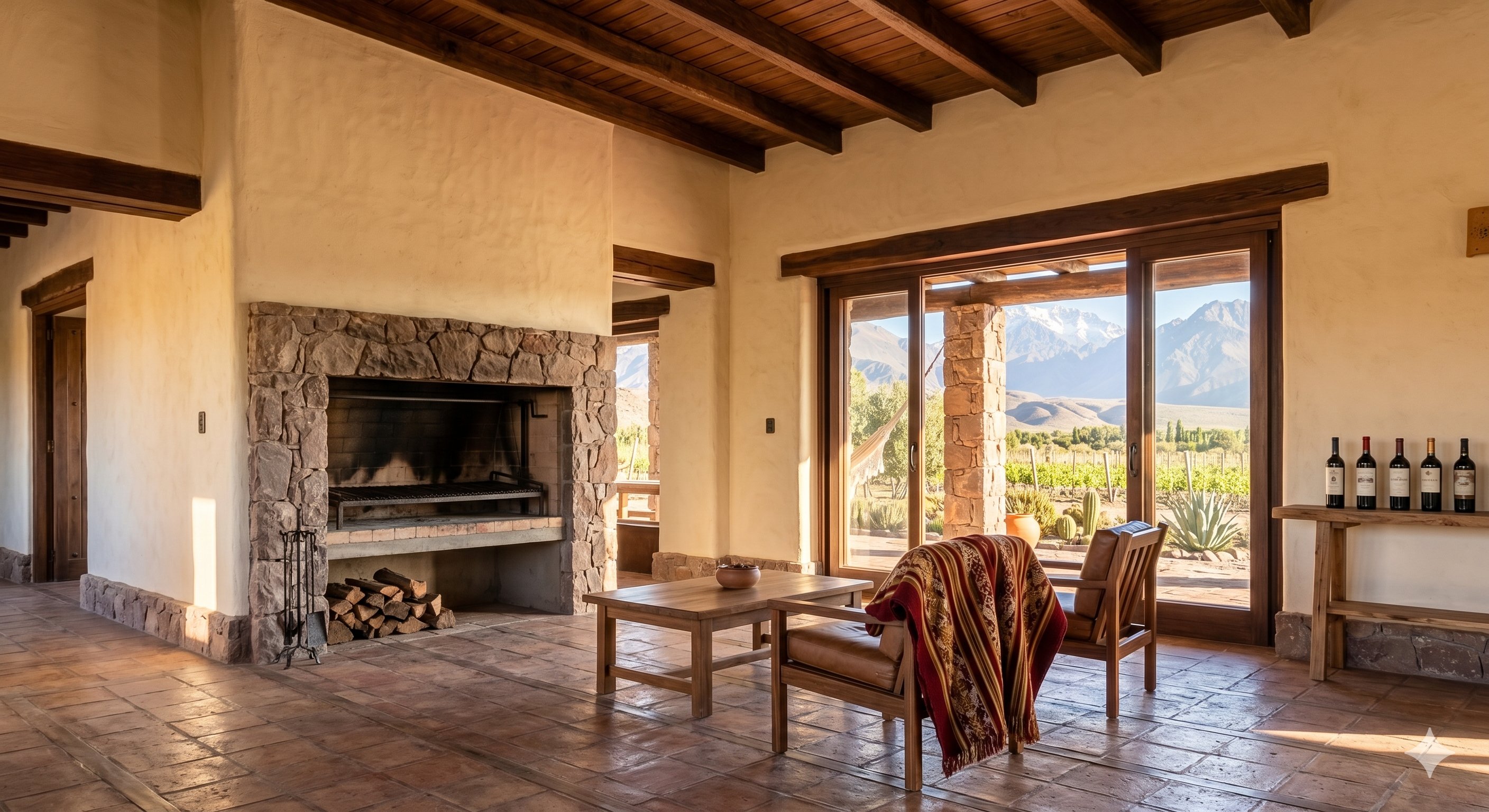
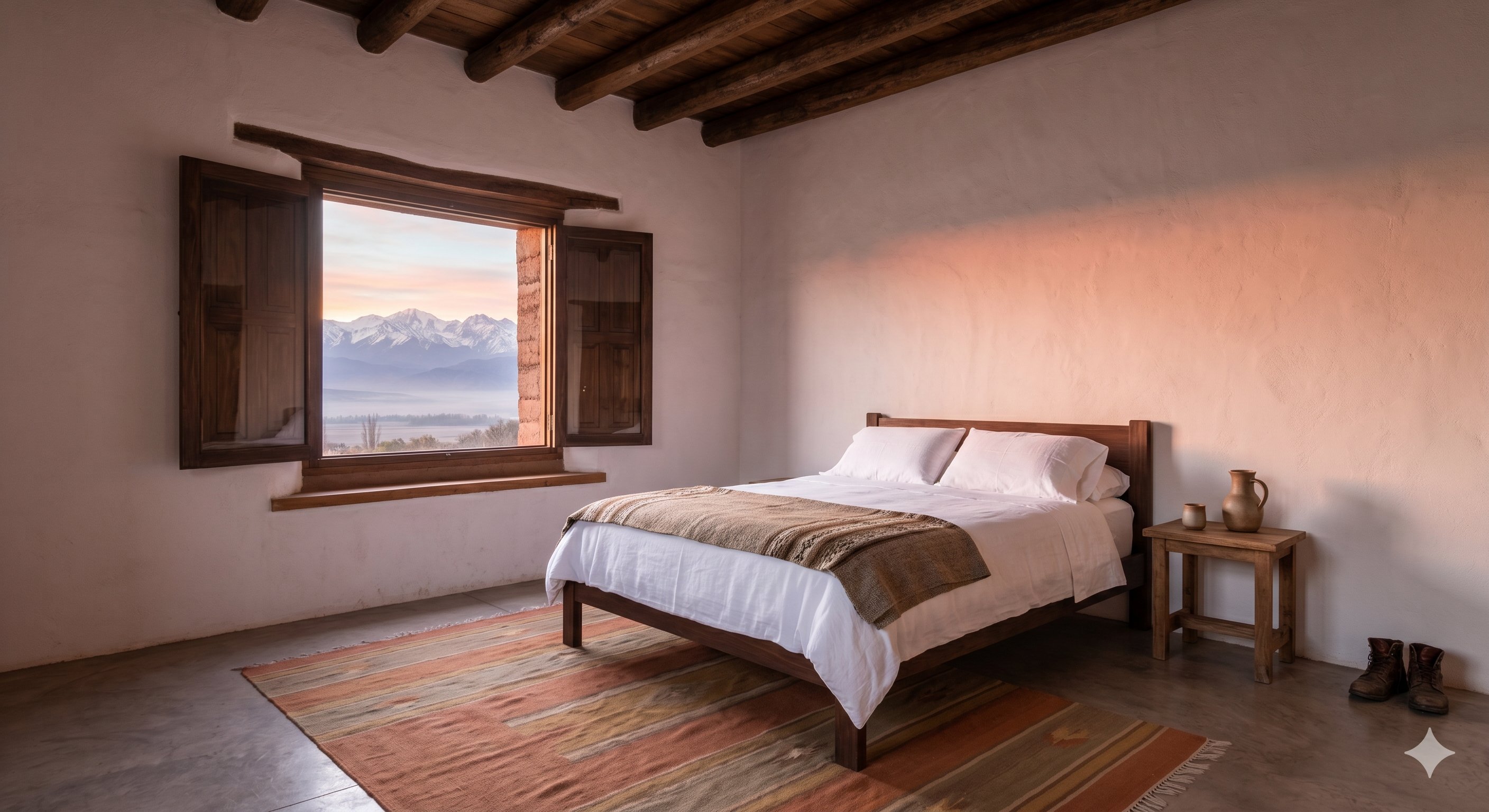
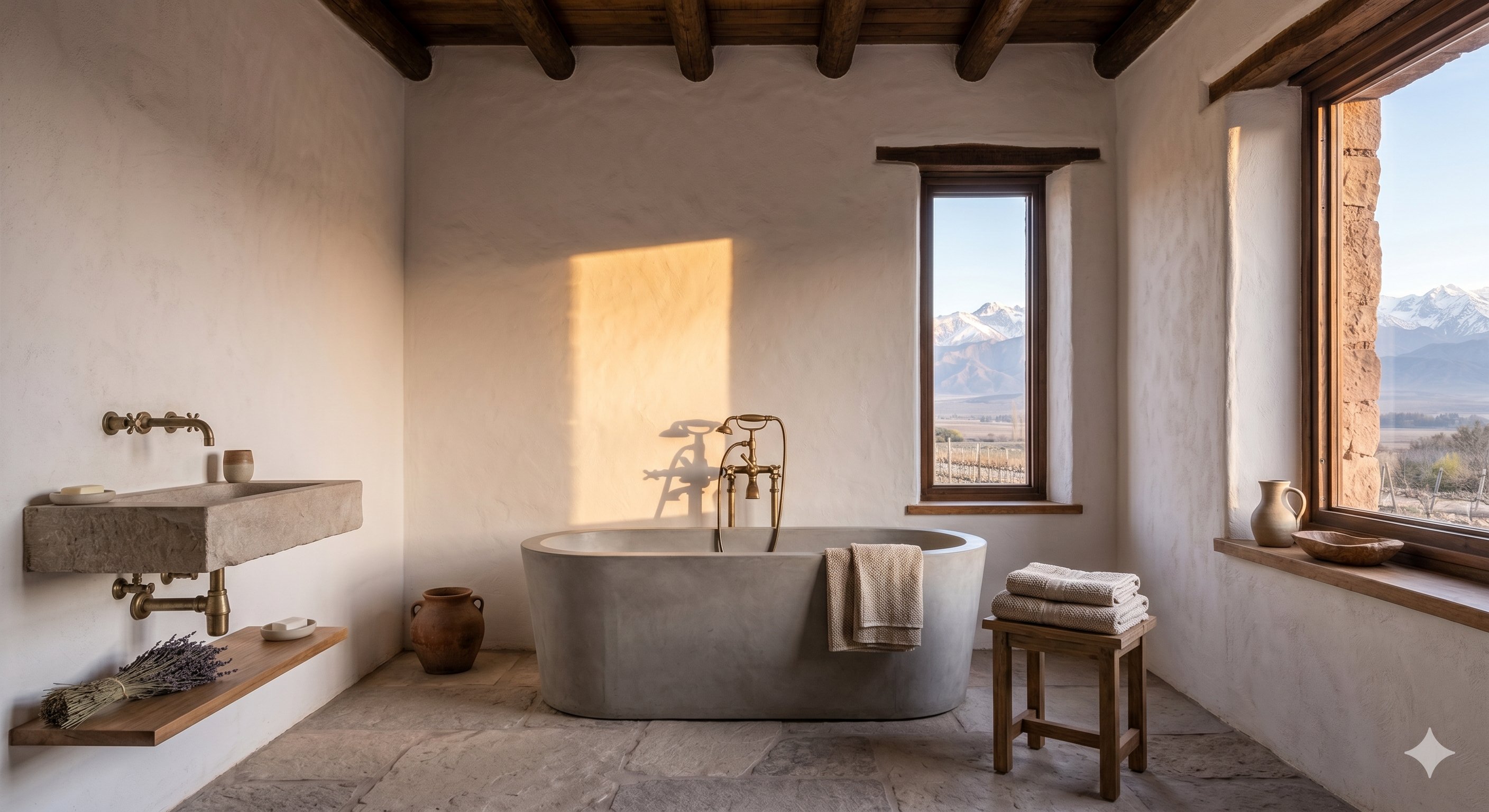
The Andes at your back, meltwater in the channels, three hundred days of sun. Dry air, cool nights, a climate in which clay lasts forever. Adobe has been built here since colonial times, and the craftspeople for it are still there. Wine, mountains, openness.

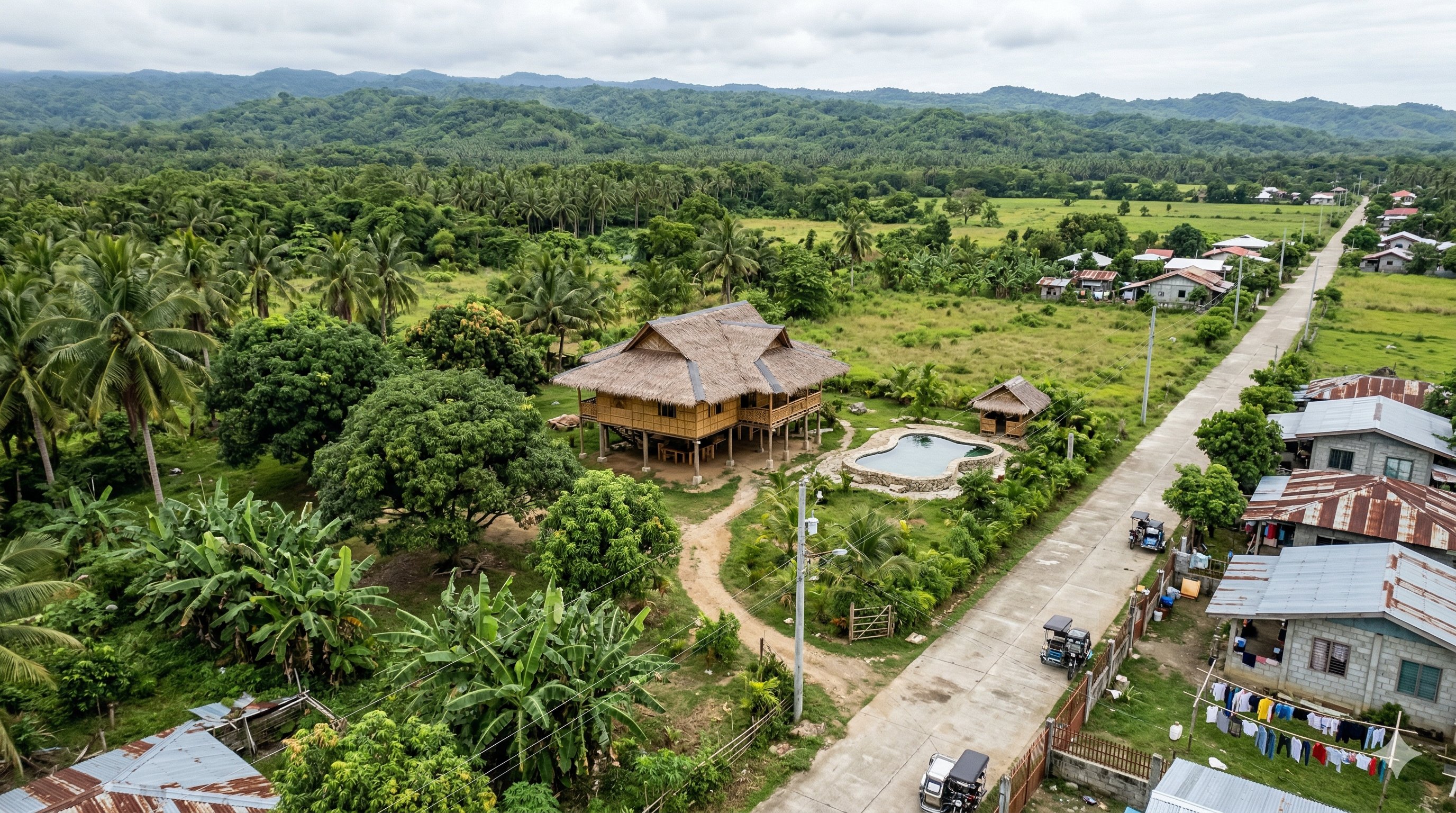
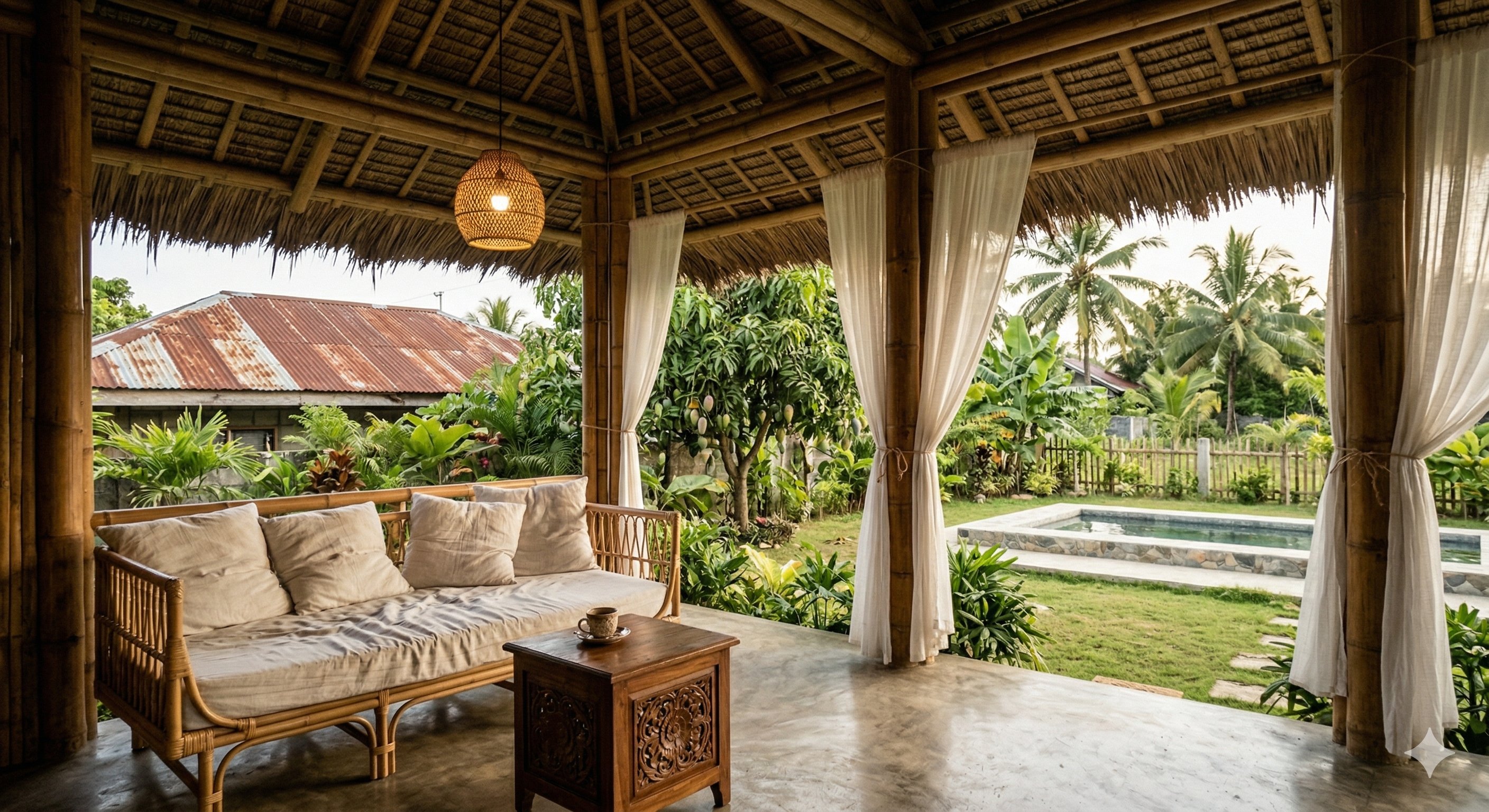
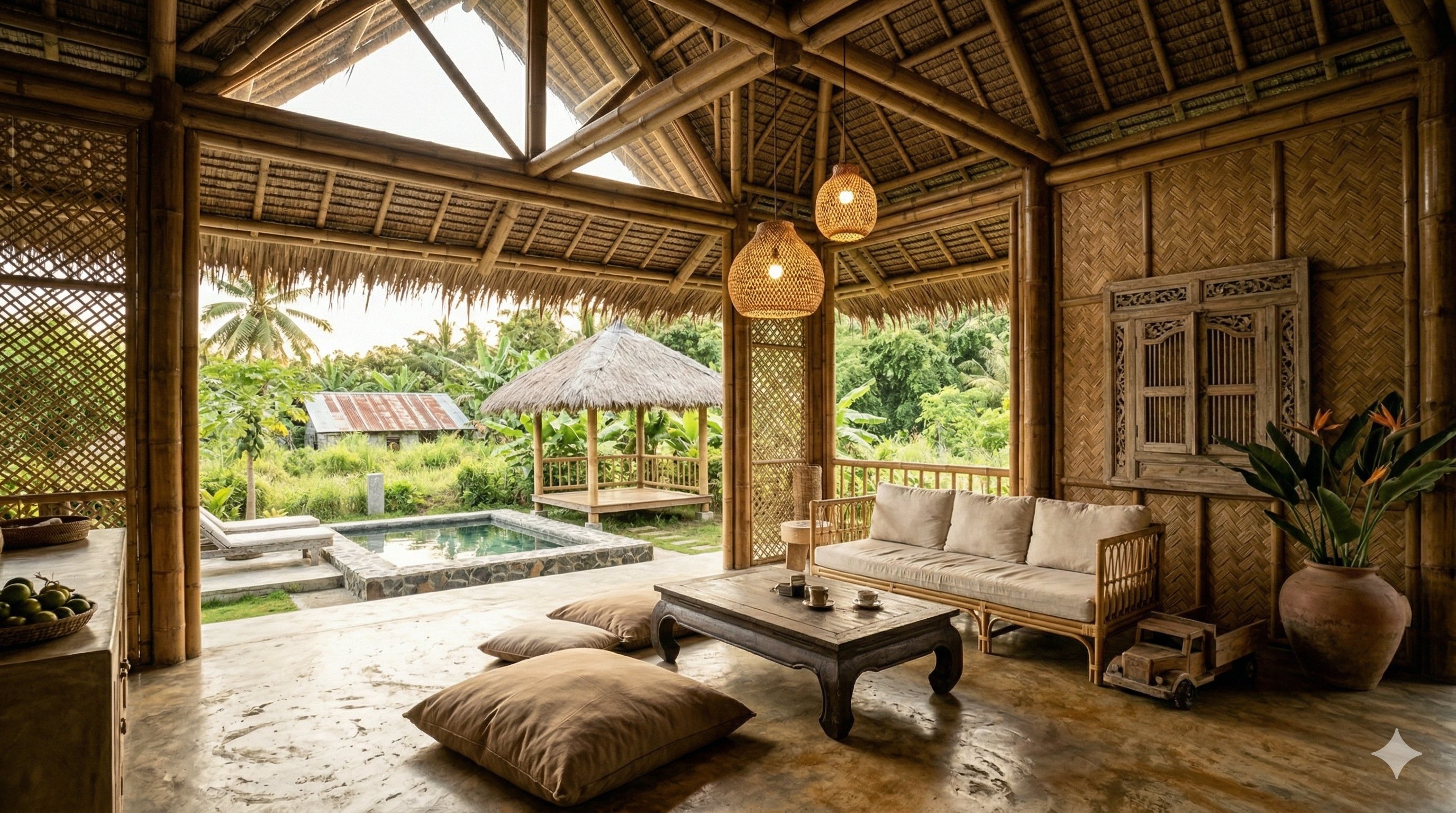
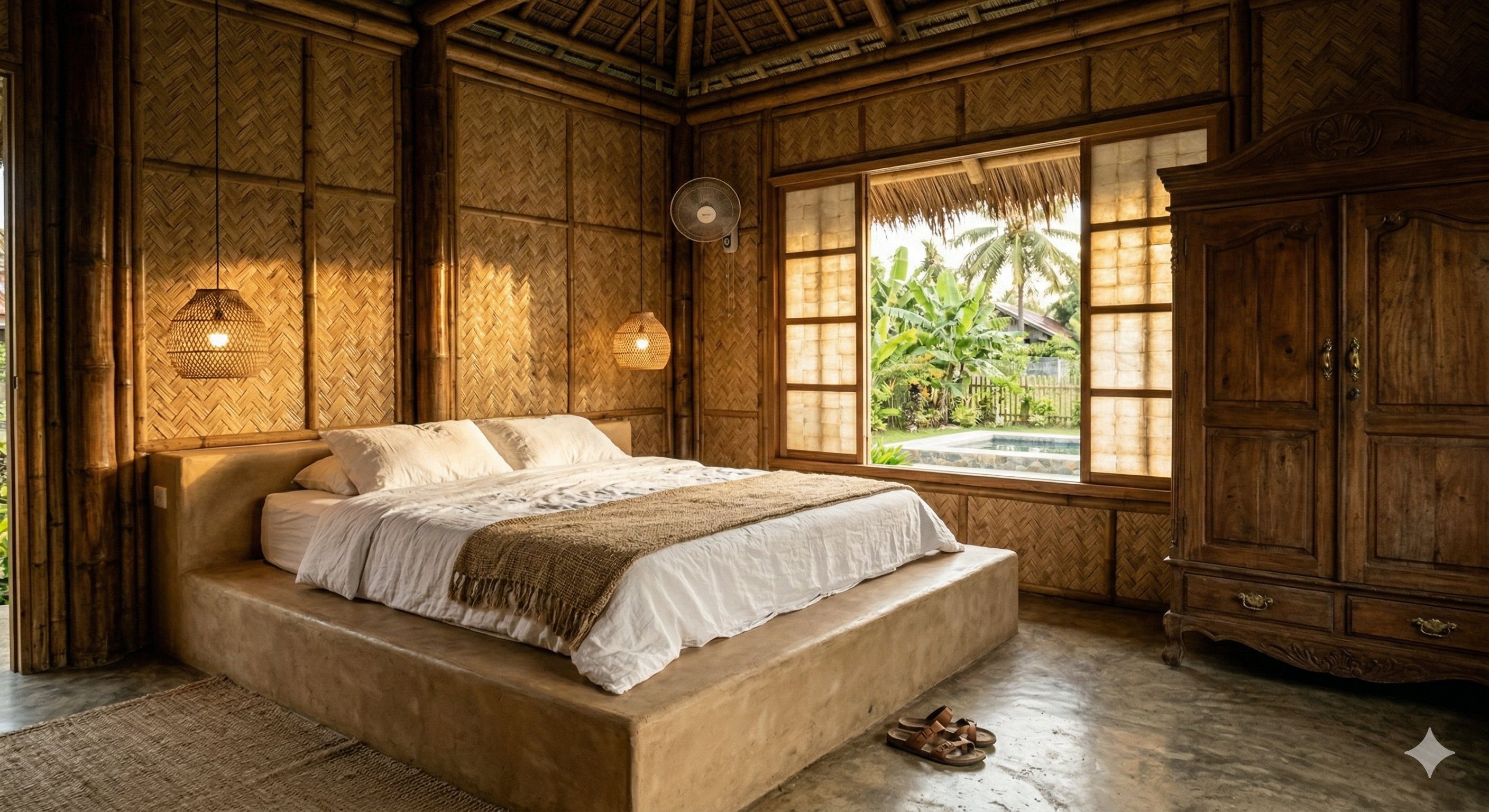
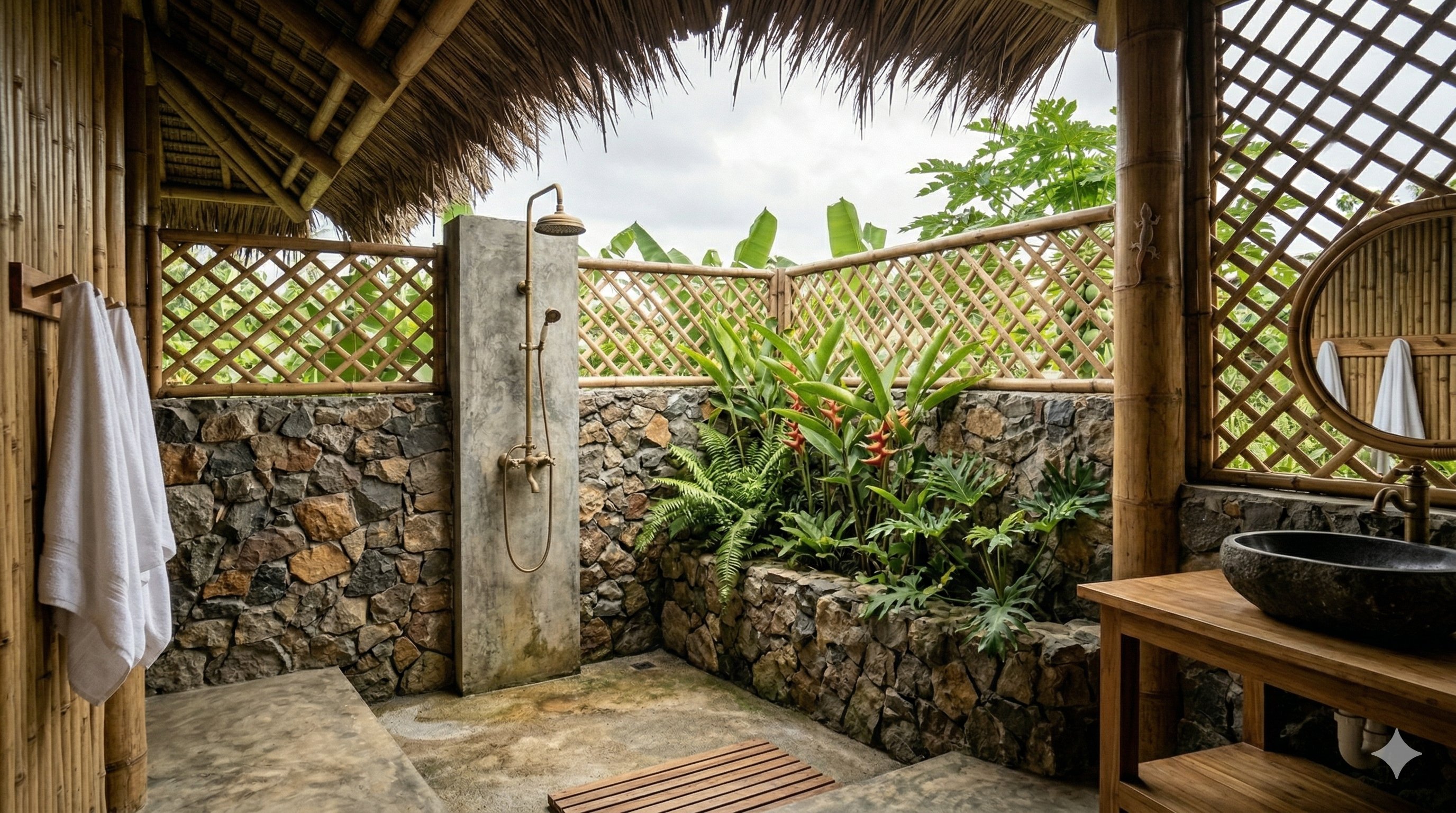
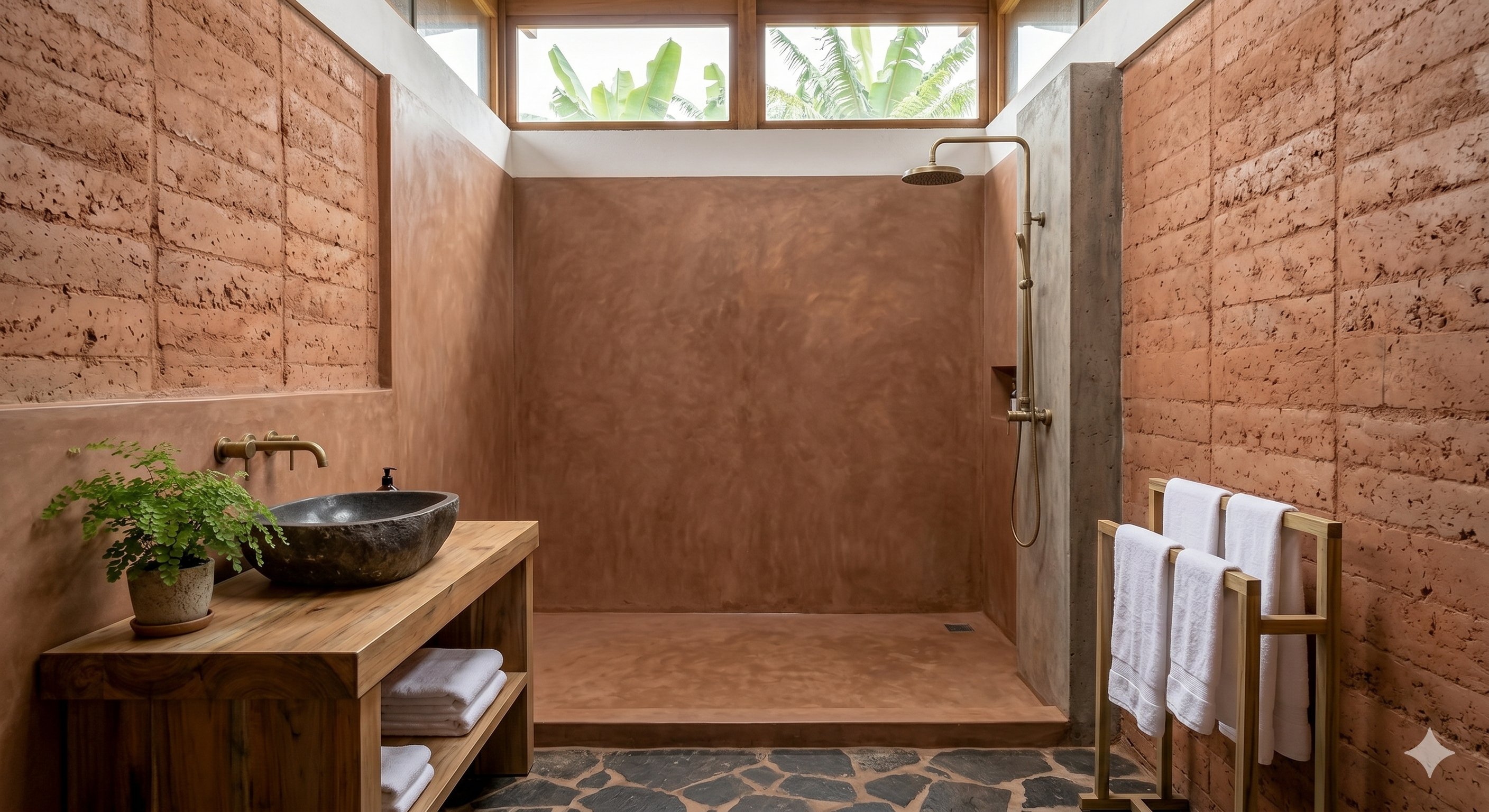
Warm water, green mountains behind you, rain falling on banana leaves. Mindoro is quieter than the well-known islands, and it stays quiet. We build raised high and far-cantilevered — shade and airflow instead of air conditioning.

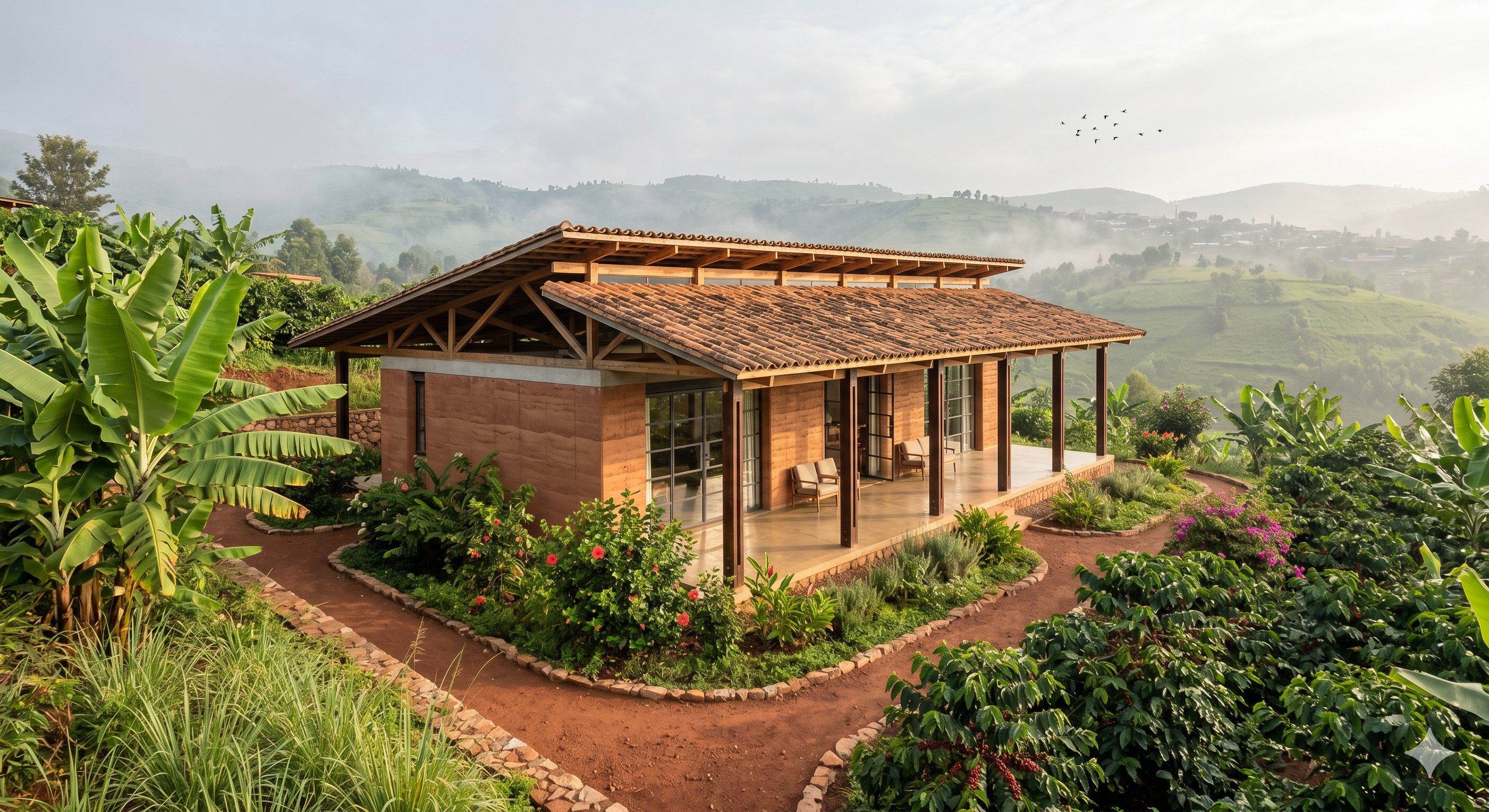
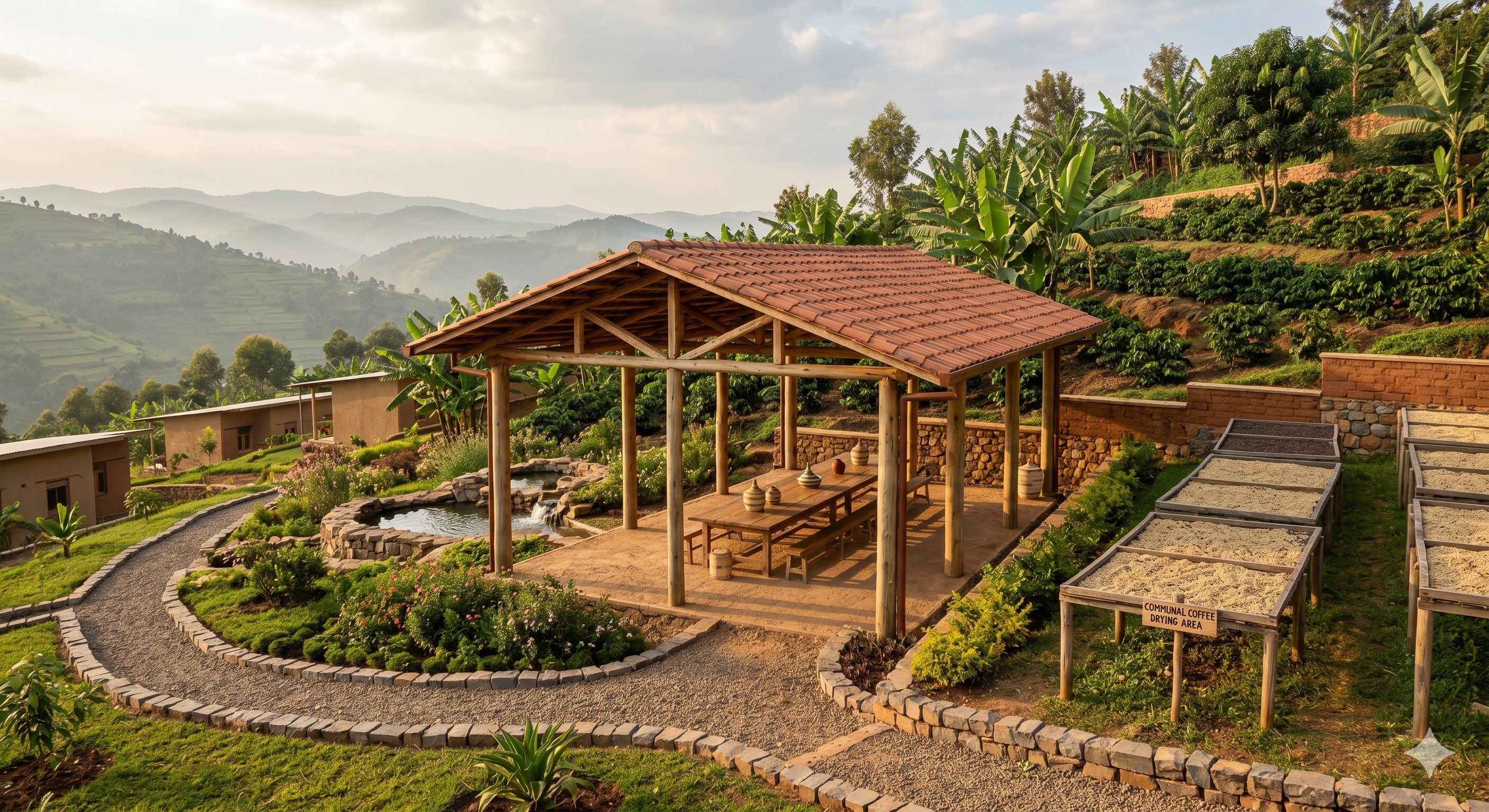
Fifteen hundred metres up, year-round between eighteen and twenty-seven degrees — one of the most pleasant climates on earth, without heating and without cooling. Hills to the horizon, clean water, a country that works remarkably well.

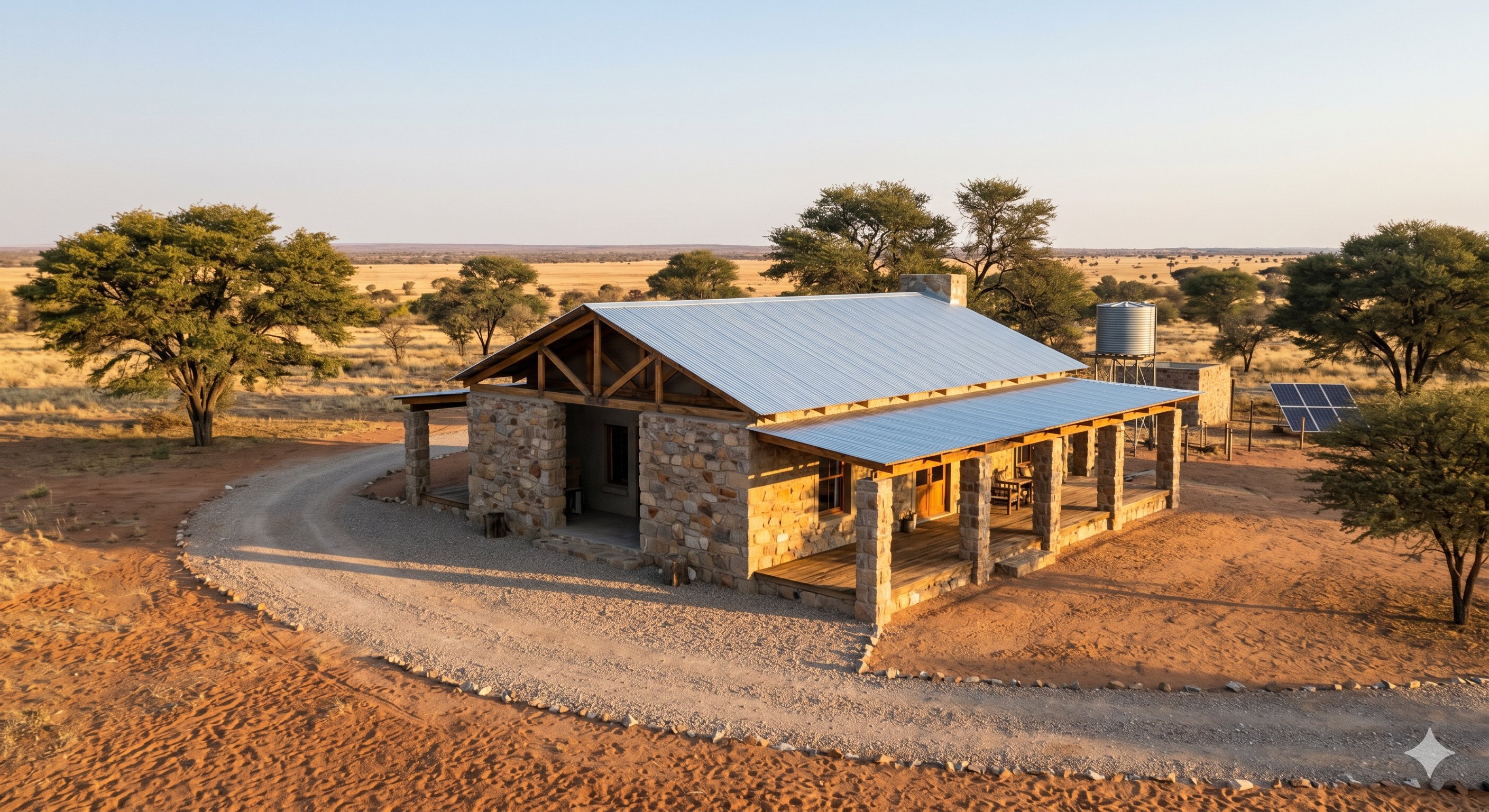
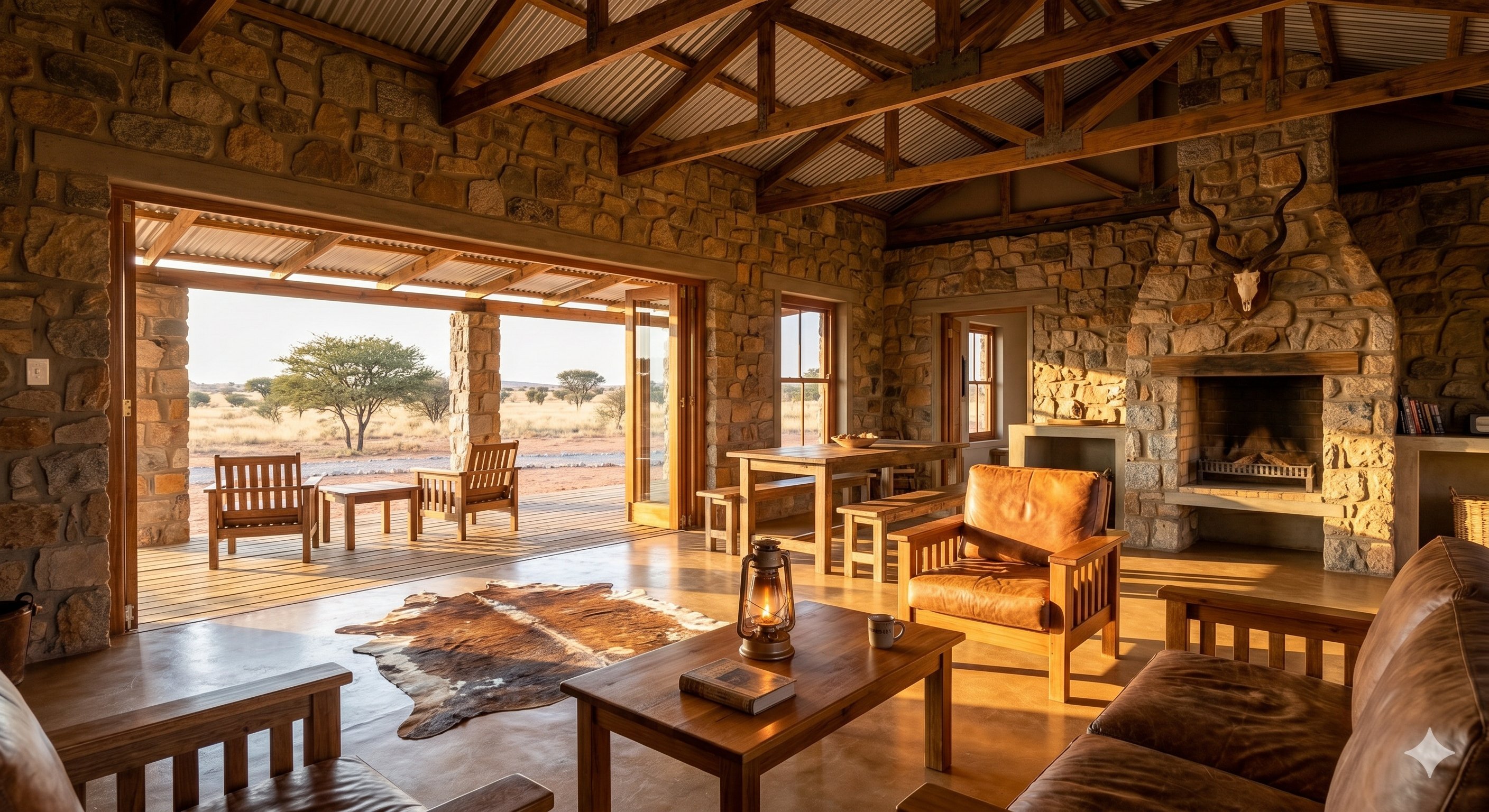
Dry expanse, a sky without light pollution, nights in which you read the Milky Way. Little rain means: heavy walls, deep windows, water collected and not wasted. The quietest of all six.
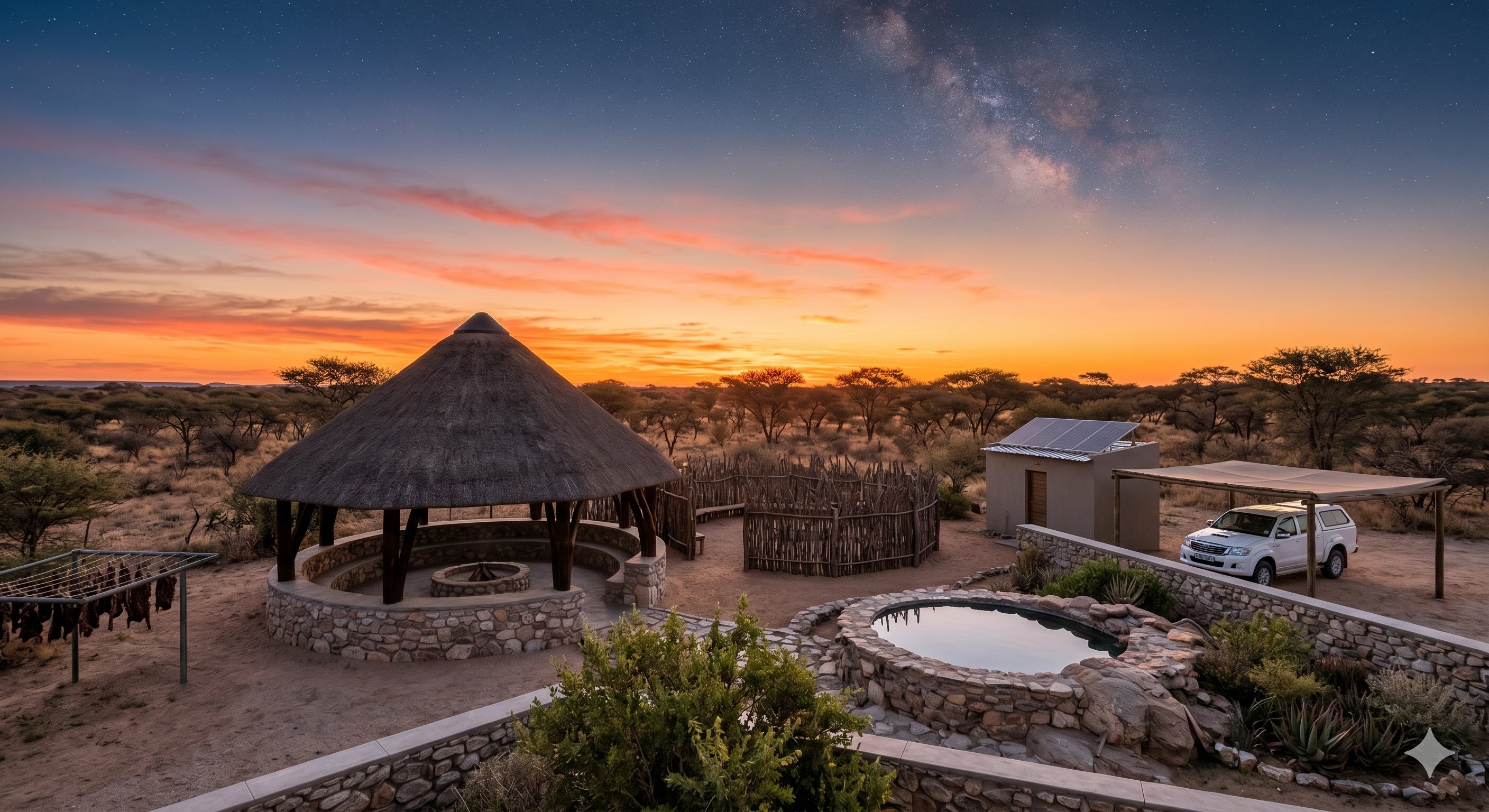
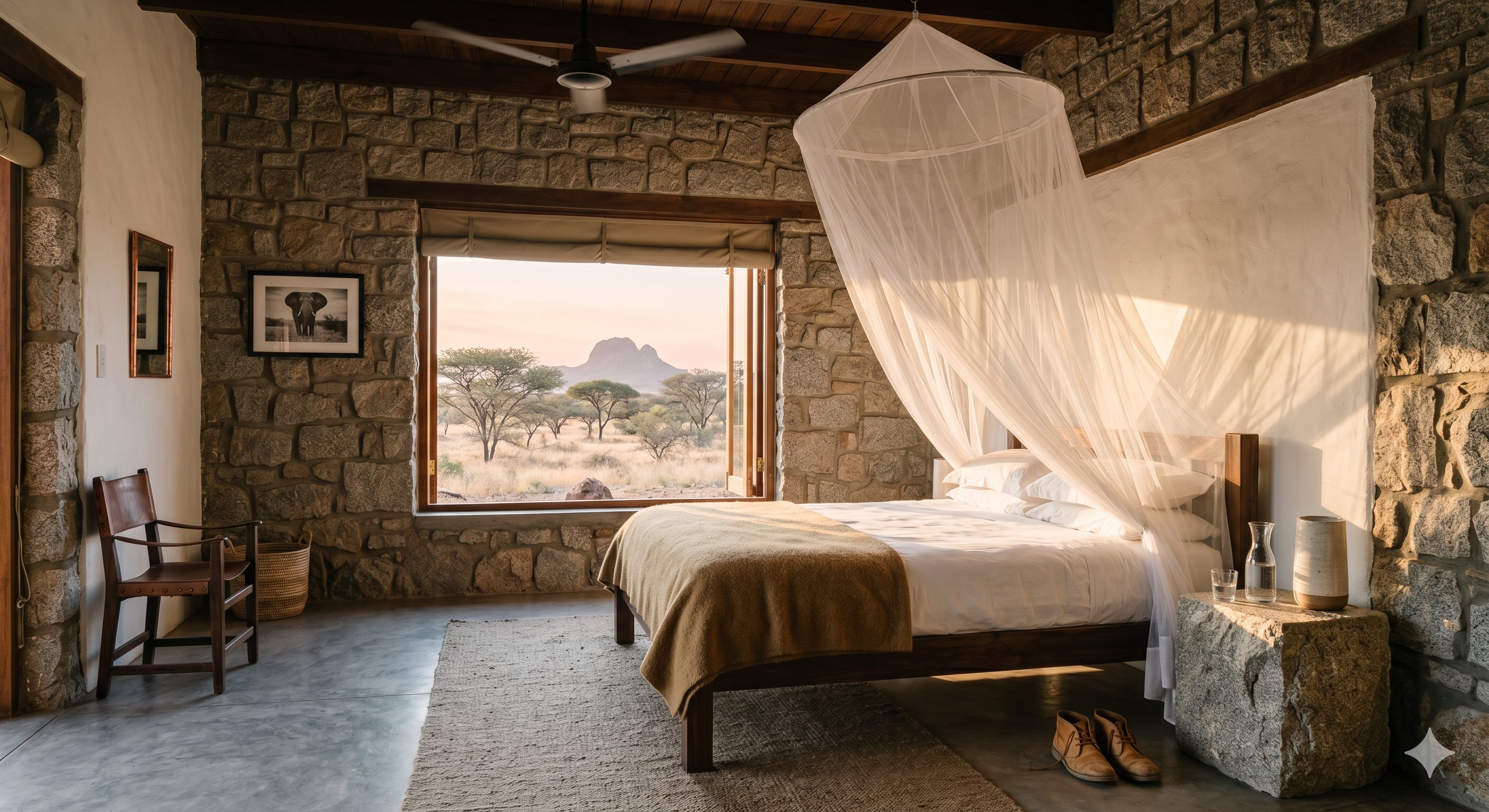
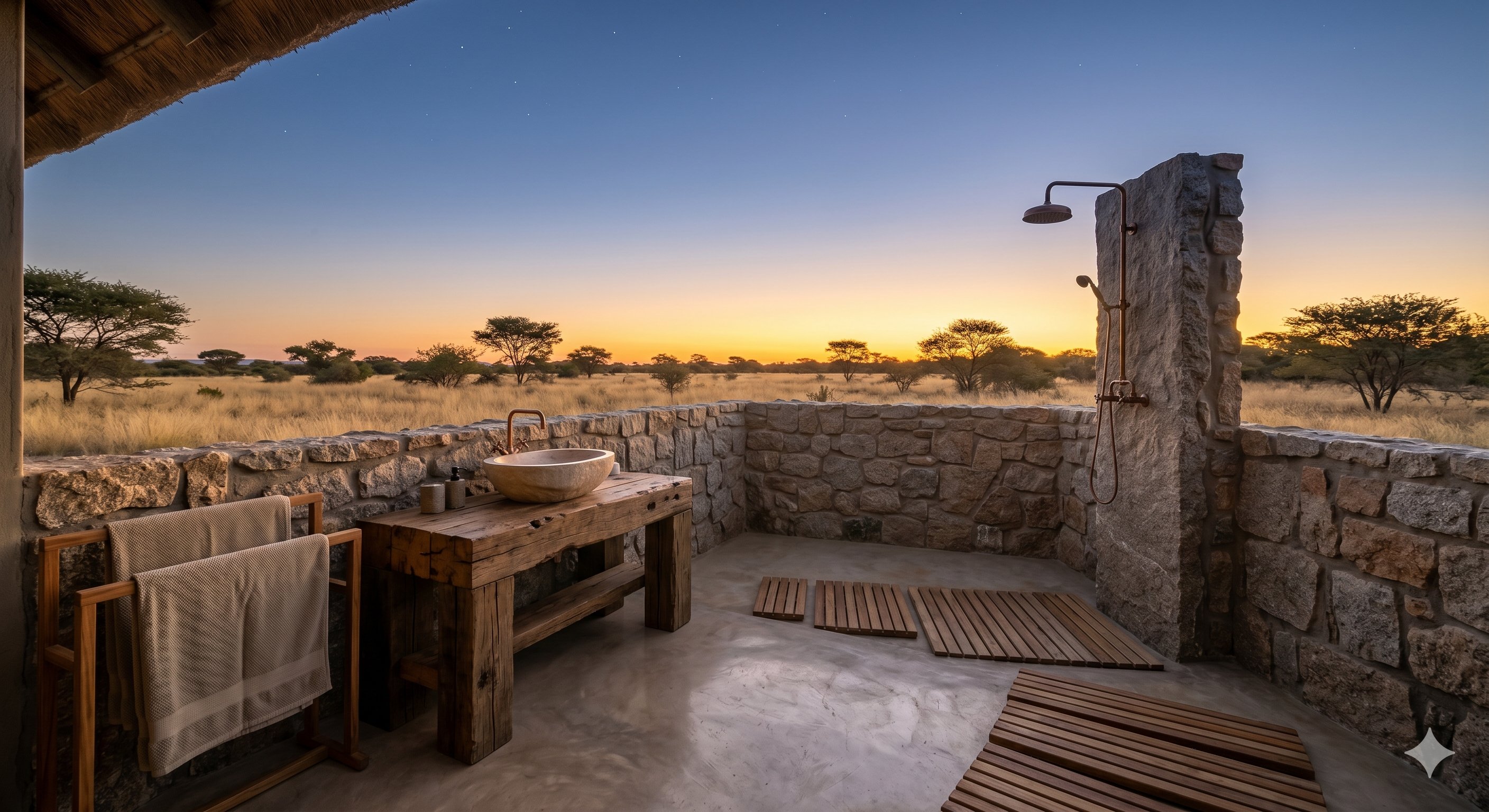
Every house is built to work without a public grid. Where a connection exists, we gladly take it — but we do not need it.
Plus rainwater harvesting for the garden and a reed-bed treatment that returns the wastewater to where it came from. No sewer connection needed, no wastewater charge.
Sized for full demand, not the average. A wood stove for the cold nights and as a fallback. A grid connection where one exists.
Fruit trees, beds, herbs — laid out by someone who knows the craft, and tended while you are away. Honestly: a fine addition, not self-sufficiency.
So that working from there truly functions and not only in the brochure. A local SIM as a fallback, fibre where it exists.
For small retreat houses there are no reliable public figures. Neither on build costs nor on occupancy nor on what such a house consumes in maintenance after five years. We publish ours — every year, for every house, with the same line items.
Because we believe you have to be able to, if you claim to build differently.
| Land including incidental costs | per place |
| Build cost per square metre, broken down by trade | per house |
| Well, photovoltaics, wastewater, access | per house |
| Build time planned against build time actual | per house |
| Occupied nights per year | per house |
| Revenue per night, separated by season | per house |
| Maintenance, cleaning, team on site | per house |
| What went wrong and what it cost | ongoing |
We take on a place, build the first house there, let it run for a year and then build on. Slow enough that every house comes out right.
Chosen on site, not on the map. Water, access, orientation, neighbourhood, building law — everything is examined before anything is signed.
Around ninety square metres, single-storey, for two to four people. Built with local craftspeople and local materials, guided by us, from the first line to the last coat of paint.
Lived in and let, through all the seasons. We learn what lasts and what we do differently. The figures from it are then made public.
House by house, until at most ten stand. Plus what a place needs: an outdoor kitchen, a bakehouse, a deck to sit on. Then it is finished, and we begin somewhere else.
The best way to find out whether such a house suits you: sleep in it. Arrive, go barefoot, have breakfast in the garden, light the stove in the evening.
Winter in the warm, summer in the cool. Working is fine — the network is everywhere. Whoever stays longer gets the better price and first access to next year's dates.
When you know you want to stay, we build you one. On the same principle, tailored to your family, in the place you have chosen. Get in touch and we will go through it together.
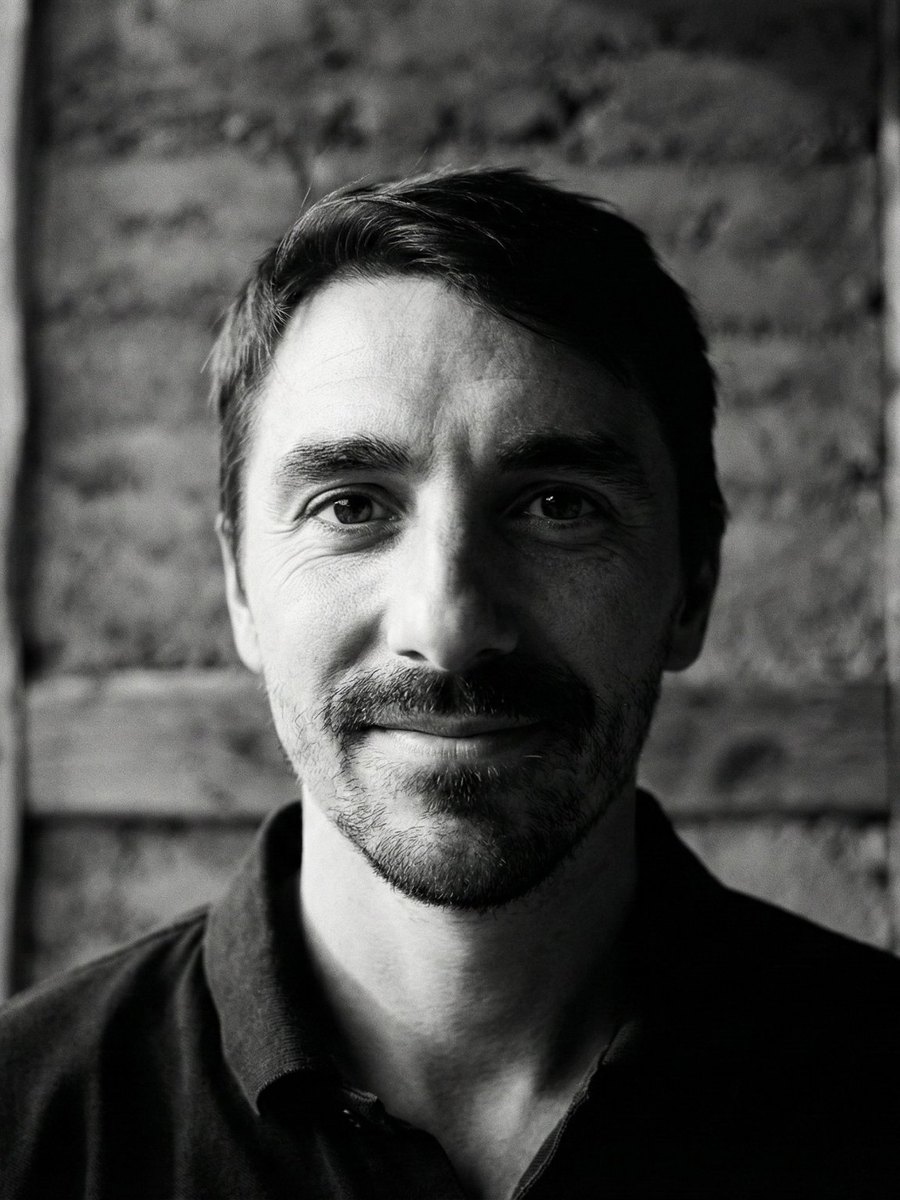
Master builder from Carinthia, fifteen years on site, half of them with natural materials.
I built a timber-and-clay house myself and lived in it — and learned what such houses do to you. Terra Privée is the attempt to do it once more, more thoroughly and in places I have chosen for myself.
Fourth generation of timber: from the sawmiller Balthasar Granitzer through two carpenters to me. My grandfather's house in Mallnitz still stands, and he built it with his own hands.
Write to me about what interests you — a date, a particular place, or a house of your own. No mailing list and no form replies, but me.